And here's the interview for Calamity's Child.
An Interview with the Author of Calamity's Child
Q: How'd it all get started?
A: Originally, there was no Calamity's Child; there was only a short story. In fact, before there was a short story, there were two authors at a convention...
I had known John Scalzi for a few years previously. Old Man's War had only recently come out and he was gearing up to edit a special edition of Subterranean. It was to be a theme edition and he chose sci-fi clichés. All the old, ugly, beaten-to-death ideas that filled every submission guideline under the heading of "Do not send us this", but done right. He asked if I'd send something in and, after a bit of noodling, I came up with Subject Real. Its cliché was one of my own pet peeves—the holodeck episode. (If a machine messed up half as often for no more benefit than various incarnations of VR in sci-fi, then we'd lynch the inventor and outlaw the premise. My challenge was to make the risks of the technology worthwhile; I vent a bit of my own opinion when Ivan insists that anyone trapped in VR deserves to stay there.)
In the end, the story didn't fit the issue. John tracked me down the next time we were in the same building and made sure I knew it was a matter of making the issue consistent in tone (he opted for more hard sci-fi than space opera); he was quite happy with the story. (John's a class act that way and he doesn't blow smoke. If he'd disliked it, he'd have told me that too. I'd expect no less and I respect him for it.) To digress a bit, it is ironic that,in the Foreword to the book, the editor compares Calamity's Child to Scalzi's work (as well as Mike Resnick's).
I shopped the story a bit but, as most RGR (Ray Gun Revival) readers know, space opera is not a sellers market (though, with the benefit of hindsight, I probably could have sold it to Jim Baen’s Universe). To shorten a long story a bit, a reader of mine pointed me at RGR and asked if I'd send something over. I sent Subject Real and overall, I think everyone was happy.
Several months passed and I didn't give the matter much thought, but I kept getting mail asking where the rest of the story was—the object real part. Roughly parallel to this, timewise, I pitched a serial to RGR (“FT7" for those who've read the slush). That story didn't go, but out of the ensuing give and take emerged Calamity's Child.
Q: After Speakers and Kings, why space opera?
A: Timing mostly. I had actually started work on two other books—one epic fantasy, the other military sci-fi, also on an epic scope—when RGR (and Double-Edged Publishing) picked up the pitch for Calamity's Child. In addition, after S&K, I felt that I needed to do more work on character development and character-driven stories.
Q: You're happy with the characters in Calamity's Child?
A: I am. One of my biggest worries was Kylee herself. I was really worried over whether I could present a teenage girl accurately—that split between little girl and grown woman at the same time. Plus, she has a good deal of other problems mixed in as well. I worried that, in presenting her baggage in addition to the 'normal' behaviors of that age, she might come across as forced. As it is, I've had a couple of early readers tell me that I hit it spot on.
Q: Why write space opera at all? It's not exactly a hot commodity with publishers these days.
A: More's the pity, assuming it's true and I'm not so certain it is. I am sure that the reading public has an appetite for it.
To understand space opera, you have to understand the history of the entire genre. First, space opera is part of a larger block of literature: the literature of the frontier. It includes space opera, westerns, H. Rider Haggard, Joseph Conrad, Rudyard Kipling, and a host of others. With the recent success of shows like Firefly, a lot of people have the misconception that space opera is westerns in space—Bat Durstans—but it's a lot more that that. It's the literature of man on the edge, away from 'civilization' and truly free. To paraphrase Kipling, it's where a man must be who he is and do what he must.
The one great defining theme of all these works is loyalty, with honor and duty vying for second. I believe that, while these themes may go out of vogue with publishers, they will always have a place with readers.
As for space opera specifically, it all began with the pulps. Most readers and almost every writer fondly remembers a childhood diet of Doc Savage, Tarzan, John Carter, the Lensmen, and Tom Swift or their equivalents. You have to ask yourself why. The pulps were the gateway to science fiction, the entry-level books. They were clean and simple. You could enjoy them without an extensive knowledge of the genre or literary theory and the science involved didn't stand in the way of seeing the story. Many were poorly written, but there was always an earnest energy to the writing and a feeling of mutual enjoyment between the author and the reader. The honest enthusiasm, straightforward presentation, and sheer fun of the books hooked more people on reading, and on reading science fiction specifically, than all the fancier, 'better' books around at the same time. More importantly, without these books—these much-maligned pulps—the 'better' books would never have been read at all, because it's the pulps that suck you in. Come for the gunfight, stay for the show.
Somewhere along the way, we lost a lot of that. Science fiction talked about itself and to itself more and more often. As it did so, the reader base dwindled. That's not an accident. You have to start reading somewhere; it's unrealistic to assume that the average reader is going to jump straight into the hard core dystopias of John Brunner or Gibson's cyberpunk. And heaven forefend that a reader's first exposure to science fiction is the Left Hand of Darkness, because then they're gone for good.
To come full circle, look at the excitement for Firefly, Star Wars, and Scalzi's Old Man's War. They're the pulps come back again with a new coat of chrome; the stories of war and the frontier, good versus evil, the stories of and for the Everyman.
Without space opera, we give up our childhood. To dismiss space opera and pulp as 'junk' is to disdain the very heart and love of the science fiction genre itself.
Q: The obvious question then is: what did you do with Calamity's Child to stay true to that history and still give a good story for modern readers?
A: Good storytelling is timeless; worrying about the 'modern reader' as opposed to any other reader is largely a waste of time better spent writing. For Calamity, I set certain guidelines for myself early on. The story should be clean enough for young adult readers but deep enough for the hard-core sci-fi fan. I wanted to keep the main themes of loyalty, duty, honor, sacrifice, and the frontier ethos intact without turning the characters, even the antagonists, into mere caricatures. Ivan, for example, is initially presented as a grizzled, cynical bounty hunter; a stereotype that the reader starts to see through by the second chapter. I also wanted the story to be approachable to anyone, not just science fiction readers. That meant I had to back off the fancy technical descriptions, keep the vocabulary simple, and really focus in on the story itself and the characters. In some ways, it's harder to write that way because all your bells and whistles are put away and you're back to the basics of the craft.
That's not to say the book is simple; it's not. There's depth, but it's the kind of depth that springs from the characters themselves, not the fancy technology or sweeping worlds. Good versus evil is primal and basic, but not simplistic.
I also tried to make certain that my aliens, the few that there are, were truly alien, not just humans in funny hats; and that my humans, like the Kwakiutl, were real and diverse as well. That meant a lot background work on biology and cultures that never made it into the novel. Especially in the case of Red Dog; if you've got a few hours to kill, ask me to explain the nidus and the vespiary.
Q: Last question. Overall, which is a better book, Speakers and Kings or Calamity's Child?
A: Apples to oranges. S&K is about big, sweeping gestures: language, communi-cation, the coming of age of an entire race and what it means to be unique. Calamity is about the smaller scope. It's more intimate, more driven by characters than plot. If I were to guess, I'd say with S&K either you love it and it really sticks with you or you don't get it at all. Calamity offers entertainment over a wide scope but might not strike as deep. S&K was serious and consciously thematic. Calamity is just a fun ride.
Monday, October 7, 2013

Thursday, October 3, 2013
Springdale Library Local Author Event
I'll be at the Springdale, Arkansas Library this weekend (Oct.5th) for the Local Author Event. It runs 2-4pm if you want to drop by and say hello. (I may even have the new book--they shipped Monday so it's a bit of a track race to see if they get there in time.)
MK
Monday, September 30, 2013
Calamity's Child Music (Part 3 of 3) (repost)
Character specific music:
Ivan Steponovich
Freedom's Child by Billy Joe Shaver
Stone of Destiny by Steve McDonald
Handful of Rain by Savatage (esp. Handful of Rain and Chance)
The Highwayman by Danny Doyle
Snowblind Friend by Hoyt Axton
Gunfighter Ballads and Trail Songs by Marty Robbins
Red Dog
Lost in the Beauty You Slay by Sacrilege
The Best of Rob Zombie by Rob Zombie
Projekt Gothic by various artists (esp. When You're Evil by Voltaire)
Euthanasia by Megadeath
Bombtrack by Rage Against the Machine (esp. the one with all the bad words in it--I won't do what you tell me!)
Kylee Steponovich
Summer Storm by Wild Mercy
Lullabies (Celtic Twilight 3) by various artists
The Best of Rob Zombie by Rob Zombie (most esp. More Human Than Human)
Ugly As It Gets by Ugly Kid Joe (esp. Cat's in the Cradle)
Quicksilver Rose
Fallen and The Open Door by Evanescence
Nina Simone, The Definitive Collection by Nina Simone
Another Town... by The Whole Shabang
The Druid and the Dreamer by Draiocht
Ivan and Rose together
River of Dreams by Billy Joel (esp. Blond Over Blue)
Titania, The Fairy Queen by Mike Rowland
Rainmaker and Solomon (Cajuns in Space!)
Bayou Deluxe by Michael Doucet and Beausoleil
Mardi Gras Mambo by Cubanismo
Bobby Bare Super Hits by Bobby Bare
Pharaoh et. al. on Selous
Zambian Acapella by Zambian Acapella
Nina Simone, The Definitive Collection by Nina Simone
Lady First by Bob Thompson
On the Beach by Edgar Wallace Jr.
Fiddler On the Roof Soundtrack from the MGM movie
Ivan Steponovich
Freedom's Child by Billy Joe Shaver
Stone of Destiny by Steve McDonald
Handful of Rain by Savatage (esp. Handful of Rain and Chance)
The Highwayman by Danny Doyle
Snowblind Friend by Hoyt Axton
Gunfighter Ballads and Trail Songs by Marty Robbins
Red Dog
Lost in the Beauty You Slay by Sacrilege
The Best of Rob Zombie by Rob Zombie
Projekt Gothic by various artists (esp. When You're Evil by Voltaire)
Euthanasia by Megadeath
Bombtrack by Rage Against the Machine (esp. the one with all the bad words in it--I won't do what you tell me!)
Kylee Steponovich
Summer Storm by Wild Mercy
Lullabies (Celtic Twilight 3) by various artists
The Best of Rob Zombie by Rob Zombie (most esp. More Human Than Human)
Ugly As It Gets by Ugly Kid Joe (esp. Cat's in the Cradle)
Quicksilver Rose
Fallen and The Open Door by Evanescence
Nina Simone, The Definitive Collection by Nina Simone
Another Town... by The Whole Shabang
The Druid and the Dreamer by Draiocht
Ivan and Rose together
River of Dreams by Billy Joel (esp. Blond Over Blue)
Titania, The Fairy Queen by Mike Rowland
Rainmaker and Solomon (Cajuns in Space!)
Bayou Deluxe by Michael Doucet and Beausoleil
Mardi Gras Mambo by Cubanismo
Bobby Bare Super Hits by Bobby Bare
Pharaoh et. al. on Selous
Zambian Acapella by Zambian Acapella
Nina Simone, The Definitive Collection by Nina Simone
Lady First by Bob Thompson
On the Beach by Edgar Wallace Jr.
Fiddler On the Roof Soundtrack from the MGM movie
Monday, September 23, 2013
Calamity's Child Music (Part 2 of 3) (repost)
Chapter specific music:
1-Subject Real
No music, just the background crash of a SF/F convention and a long bus ride
2-Potlatch, 3-Suicide Straight, and 4-Domino
Dead Winter Dead by Savatage
Operation Mindcrime by Queensryche
Bond by Bond
Americana by The Offspring
5-Skip a Rope
Skip a Rope by Jimmy Dean
Kansas Super Hits by Kansas
A Rose for Iconoclasts by Steven Brust
6-Dante's Fourth by Gaslight
Eine kleine Nachtmusik, Idomeneo, The Abduction from the Seraglio, Don Giovanni by Mozart
The Four Seasons by Vivaldi
Canon (D major), Suite Number 6 (B flat major) by Pachelbel
Suite (G major), Concerto (D major), Symphony (G major), Symphony (A major) by Fasch
River of Dreams by Billy Joel
7-Rodeo Bull Ballet, 8-King in the Corner, and 9-Ransom in the Fall of the Mountain King
Snowblind Friend by Hoyt Axton (especially Water for My Horses, Funeral of The King, and Seven Come)
Gunfighter Ballads and Trail Songs by Marty Robbins
10-Ave Maria
River of Dreams by Billy Joel
Stigmata Movie Soundtrack by various artists (esp. Mary Mary)
Timeless Crime by Labyrinth (esp. Save Me)
Unleashed, The Half Tail by Wolfstone
Man of La Mancha, Original Cast Recording
11-Object Real
Handful of Rain by Savatage (esp. Taunting Cobras)
For the Sake of Revenge by Sonata Arctica
Timeless Crime by Labyrinth
1-Subject Real
No music, just the background crash of a SF/F convention and a long bus ride
2-Potlatch, 3-Suicide Straight, and 4-Domino
Dead Winter Dead by Savatage
Operation Mindcrime by Queensryche
Bond by Bond
Americana by The Offspring
5-Skip a Rope
Skip a Rope by Jimmy Dean
Kansas Super Hits by Kansas
A Rose for Iconoclasts by Steven Brust
6-Dante's Fourth by Gaslight
Eine kleine Nachtmusik, Idomeneo, The Abduction from the Seraglio, Don Giovanni by Mozart
The Four Seasons by Vivaldi
Canon (D major), Suite Number 6 (B flat major) by Pachelbel
Suite (G major), Concerto (D major), Symphony (G major), Symphony (A major) by Fasch
River of Dreams by Billy Joel
7-Rodeo Bull Ballet, 8-King in the Corner, and 9-Ransom in the Fall of the Mountain King
Snowblind Friend by Hoyt Axton (especially Water for My Horses, Funeral of The King, and Seven Come)
Gunfighter Ballads and Trail Songs by Marty Robbins
10-Ave Maria
River of Dreams by Billy Joel
Stigmata Movie Soundtrack by various artists (esp. Mary Mary)
Timeless Crime by Labyrinth (esp. Save Me)
Unleashed, The Half Tail by Wolfstone
Man of La Mancha, Original Cast Recording
11-Object Real
Handful of Rain by Savatage (esp. Taunting Cobras)
For the Sake of Revenge by Sonata Arctica
Timeless Crime by Labyrinth
Monday, September 16, 2013
Calamity's Child Music (Part 1 of 3) (repost)
Presenting the Music behind the writing of Calamity's Child! Yes, the list of music the Thin Man found essential to focusing his mind during the writing of the novel. It's a long list so I'll spread it over several days. Please note, the music listed is not an indication of good taste, the author's specific listening preferences, or an endorsement of some of the music. Also remember that the various albums were freely intermixed (for example, for every chapter with Rose in it, there was an Evanescence album in the rotation, even during the writing of the fight scenes). It is simply what put him in the right frame of mind. I hope you find it an interesting (and probably terrifying) look inside the symbiosis of music and writers.
General background music:
The Book of Secrets, The Visit, The Mask and Mirror by Loreena McKennitt
Another Way to Travel by Cats Laughing
Once Upon a Time... The Essential Ennio Morricone Collection by Ennio Morricone (esp. The Mission Suite)
Poets and Madmen by Savatage
Highlander, The Original Scores by Michael Kamen, Stewart Copeland, and J. Peter Robinson
Music Inspired by J. R. R. Tolkien's Lord of the Rings by Andy Street
Beethoven's Last Night by Trans-Siberian Orchestra
Eroica Trio by Eroica Trio
The Planets Suite, St. Paul's Suite by Holst
Fight scenes:
The Yngwie Malmsteen Collection by Yngwie Malmsteen
Blade, Movie Soundtrack by Mark Isham
Stigmata Movie Soundtrack by various artists
A Tribute to the Four Horsemen by various artist (Nuclear Blast records)
Brave New World by Iron Maiden
The Planets Suite (Mars thru Saturn) by Holst
General background music:
The Book of Secrets, The Visit, The Mask and Mirror by Loreena McKennitt
Another Way to Travel by Cats Laughing
Once Upon a Time... The Essential Ennio Morricone Collection by Ennio Morricone (esp. The Mission Suite)
Poets and Madmen by Savatage
Highlander, The Original Scores by Michael Kamen, Stewart Copeland, and J. Peter Robinson
Music Inspired by J. R. R. Tolkien's Lord of the Rings by Andy Street
Beethoven's Last Night by Trans-Siberian Orchestra
Eroica Trio by Eroica Trio
The Planets Suite, St. Paul's Suite by Holst
Fight scenes:
The Yngwie Malmsteen Collection by Yngwie Malmsteen
Blade, Movie Soundtrack by Mark Isham
Stigmata Movie Soundtrack by various artists
A Tribute to the Four Horsemen by various artist (Nuclear Blast records)
Brave New World by Iron Maiden
The Planets Suite (Mars thru Saturn) by Holst
Wednesday, September 11, 2013
Calamity's Child Returns--EBook and Hardcover
What happens to a really good book if the publisher goes under just after the book's release? It's not pretty. But in an ideal world, a bigger, better publisher would pick up the book and bring it back out. Every so often, some things go right.
Calamity's Child is back in print. Now with Dark Oak Press, it has a new cover, re-edited and cleaner internals, and is available in EBook, Trade, and everyones favorite: HARDCOVER.
If I were asked, should I buy this book? Will I enjoy it? My response would be a polite, quiet, "Yes, I think you would like it." But if I were honest, the response should be, "Oh, heck yeah! This is space opera the way it should be done, old school with laughs and violence. I even managed to pull off good characters. You think Firefly was good? You ain't seen nothing yet. You want to talk about the 'rebirth' of space opera and what's good? This is the best, over-looked book in the genre in the last ten years at least. This book should be on the shelves in every bookstore, grocery store checkout stand, and Wal-Mart bookrack. You know someone who misses westerns? Throw them a copy of Calamity's Child and even if they don't know sci-fi from beans they'll fall in love with the book." And yes, I do think it's that good. If for no other reason than the incredible responses I got from its first run.
But, you may say, I already own a copy of the original. Why should I buy it again? Did I mention HARDCOVER? Plus, everyone needs two. One to keep and one to loan. Christmas comes at least once a year and I've heard some people get birthday presents too. So, you should buy...oh, maybe twelve copies ought to be enough. I can hear you now, I'm not made out of money! Of course not but I think we can all agree that a good book is more important than most of what we buy like food. Seriously, if you already bought and read the book, then you know how good it is and you know how the story ends up. And I also know that most of my readers are, like most readers, unable to afford all the books they want. (That's an understatement.) If you want to buy a few more, I'm not going to argue but, if you already own the book, the best thing you can do for me (and the reading public in general) is not to buy another copy. Instead, go find ten people who haven't read the book and convince them to read it. The E-version is very cheap and, after they've read it, they'll want a hard copy for themselves. If you help spread the word, I think this book is good enough to sell enough copies so that by this time next year, I can afford to travel to all kinds of conventions and sign all those copies.
The other thing I can offer is, if you've already bought the book in the first edition and you buy it again, I'll sign the new one with the "Evil Uncle" signature...and Evil Uncle is probably worth more than the book cost. (If that doesn't make sense, hopefully someone who knows the EU stories can post and explain because I'm not going to.)
So spread the word, review the book on-line, and do what you can to help people find a book, back from the dead, that they might otherwise miss. (If you need promotional images, permissions for quotes, interviews, or anything else you might want to put on your own site, facebook, twitter, etc. simply email me or post the request here on the blog and I'll do what I can to help. If you have any questions about the book or the characters that you think I should discuss on the blog, similarly feel free to post.)
Thank you.
Thursday, June 20, 2013
Calamity's Child Relaunches
I've had so many projects fall through or be delayed lately that I've been keeping this under wraps until everything was certian. Dark Oak Press has aquired the rights to Calamity's Child and is bringing it back out. New cover, much better internal formatting and editing, and available to a larger audience. (And, unlike the first printing when the publisher went out of business, the author will actually get paid royalties!)
I'll post again when it's out but feel free to spread the word. CChild is coming again.
MK
(PS-Make sure people know to buy the Dark Oak version.)
Thursday, March 28, 2013
Classic Reading List
Golly, I hope the formatting holds on this. My sincere apologies if it doesn't.
Classic Fantasy
Recommended Reading List
Although many respectable works that need no reintroduction have been left off, the following list is an attempt to bring to light a portion of the rich legacy of fantasy literature. You'll notice a good deal of science fiction and horror have crept in—illustrating that, while there is not room for fantasy in sci-fi or horror, there is room in the fantasy genre for everything. Consider it, if you will, a brief history of lost or forgotten works. How many have you read?
Please email me (mkeaton@archangelpress.net) if you find any goofs or believe I've left something off that absolutely must be considered for future lists.
Orlando Furioso Arosto, Ludovico
The Foundation Trilogy Asimov, Isaac
A House-Boat on the Styx Bangs, John Dendrick
The Wonderful Wizard of Oz Baum, L. Frank
The Stars Are My Destination
The Demolition Man Bester, Alfred
A Case of Conscience Blish, James
The Sorcerer's Ship
Beyond the Golden Stair Box, Hannes
Stand on Zanzibar Brunner, John
A Princess of Mars
Tarzan Burroughs, Edgar Rice
The Biography of Manuel
The Cream Of The Jest
Jurgen
Domnei Cabell, James Branch
War With the Newts Capek, Karel
Alice's Adventures in Wonderland Carroll, Lewis
Thongor Against The Gods (see also the Flashing Swords! anthologies with Lin as editor) Carter, Lin
Red Moon And Black Mountain Chant, Joy
Fancies and Goodnight Collier, John
They'd Rather Be Right (w/Frank Riley) Clifton, Mark
The Phoenix And The Mirror
Collected Fantasies Davidson, Avram
Babel-17
The Einstein Intersection Delaney, Samuel R.
Lest Darkness Fall (possibly the first ‘alternate history’ novel) de Camp, L. Spraque
Don Quixote de Cervantes, Miguel
The Man in the High Castle Dick, Philip K.
The Lost World (see also the two sequels
The Poison Belt and The Land of Mist) Doyle, Sir Arthur Conan
The King of Elfand's Daughter
At The Edge Of The World
Beyond The Fields We Know
Don Rodriguez: The Chronicles Of Shadow Valley
The Charwoman's Shadow Dunsany, Lord
The Worm Ouroboros
Mistress Of Mistresses Eddison, Eric Rucker
To Your Scattered Bodies Go Farmer, Philip Jose
The Moon Of Gomrath Garner, Alan
The Serpent
Atlan
The City Gaskell,Jane
She
The World's Desire (w/Andrew Lang) Haggard, H. Rider
The Forever War Haldeman, Joe
Greyfax Grimwald Hancock, Niel
Double Star
Starship Troopers
Stranger in a Strange Land
The Moon is a Harsh Mistress Heinlein, Robert A.
Dune Herbert, Frank
Conan the Barbarian Howard, Robert
The Lost Continent Hyne, C. J. Cutliffe
Flowers for Algernon Kayes, Daniel
Walkers On The Sky Lake, David J.
The ‘Color’ Fairy Books Lang, Andrew
The Left Hand of Darkness LeGuin, Ursula K.
Swords And Deviltry
Gather, Darkness!
The Big Time
The Wanderer Leiber, Fritz
Out of the Silent Planet (see also the two
sequels Perlandra and That Hideous Strength) Lewis, C. S.
Vril:The Power of the Coming Race Lytton, Edward
The Princess and the Goblin MacDonald, George
The Moon Pool
The Metal Monster
The Ship Of Ishtar
Face In The Abyss
Dwellers In The Mirage Merritt, A.
A Canticle for Leibowitz Miller, Walter M., Jr.
Paradise Lost Milton, John
Lud-in-the-Mist Mirrlees, Hope
The Knight Of The Swords
Stormbringer
The Jewel In The Skull
The Chronicles of Corum Moorcock, Michael
Jirel Of Joiry Moore, C. L
The Chalchiuhite Dragon Morris Kenneth
The Glittering Plain
The Water Of The Wondrous Isles
The Sundering Flood
Three Works
The Well at the World's End
The Wood Beyond The World Morris, William
Ringworld Niven, Larry
A Mirror for Observers Pangborn, Edgar
Rite of Passage Panshin, Alexei
Gormenghast
Titus Alone Peake, Mervyn
The Space Merchants Pohl, Fredrik
The Blue Star
Land Of Unreason (w/L. Sprague de Camp) Pratt Fletcher
A Time of Changes Silverberg, Robert
City
Way Station Simak, Clifford D.
Hyperborea Smith, Clark Ashton
The Lensman Series Smith, E.E. Doc
Witch Queen Of Lochlann Smith,George Henry
The Faerie Queene Spenser, Edmund
Armor Steakly, John
Earth Abides Stewart, George R.
E Pluribus Unicorn (short stories)
More Than Human Sturgeon, Theodore
Day Of The Minotaur
The Weirwoods
Green Phoenix
Wolfwinter
Lady Of The Bees
Cry Silver Bells Swann, Thomas Burnett
La Gerusalemme liberata Tasso, Torquato
The Dying Earth Vance,Jack
Slan Van Vogt, A.E.
The Island Of The Mighty
The Song Of Rhiannon
Prince Of Annwn
The Children Of Llyr Walton, Evangeline
We Zamyatin, Yevgeny
Nine Princes In Amber
Jack Of Shadows
This Immortal
Lord of Light Zelazny, Roger
The Odyssey Homer
The Illiad
Science Fiction: History, Science, Vision
(1977) Scholes, Robert and Eric S. Rabkin, Oxford University Press
Tuesday, March 26, 2013
MidSouth Con: Wit of the Staircase
I just got back, in good health and spirits but very weary and mentally groggy. I'll try to to a full con report later and it could be a long one. Because other people were ill or unable to make panels, I was able to expand my own schedule and stay comfortably busy. I'm sad other people had trouble but, as most of you know, I LIKE doing panels.
But that's for later. This post is to let you know I got home safe and that I hope everyone else did too in spite of the weather. It is also a chance for me to post the little things that I forgot to say on some of the panels, information I couldn't remember, and some tidying up.
Dark Oak has aquired Calamity's Child and will re-release it VERY soon (as in a few weeks). The old link box for it on the side here will be replaced when that happens. Please, order the new one, don't accidentally get the old one. The new one is better edited and the formatting problems are fixed plus, if you buy the old one, I don't get paid for it. Instead, do be so kind as to find ten friends and stand by to order the new one as soon as it's available. After this, you may begin to lobby for the Red Dog stuffed toy. Also, if you don't want to keep checking back on this blog and watching the tumbleweeds, post you contact info or email it to me and I'll send you an email when it comes out.
Steampunk: "Dream of Perpetual Motion" was written by Dexter Palmer. Read it. The other good overlooked steampunk books I forgot were "Farlander" by Col Buchanan, "Court of the Air" by Stephen Hunt, and "Stormdancer" by Jay Kristoff.
The end of the world: I didn't get a chance to mention that there is a company called Apocalyptic Ammunition (apocalypticammunition.com/) that sells gold and silver bullets based on the concept that then you can shoot OR barter.
Timeless: I didn't have enough copies to give out so I'm going to try to post my list of classis SF/F books as a seperate blog post. (I'm afraid of the formatting and don't want it to mess up this post.) I'll pre-schedule that as a blog update for later in the week.
Finally, thanks so very much to everyone who made my return to the world after two years of withdrawal wonderful and safe. I can't wait for Conclave (although, come to think of it, they haven't invited me yet. Hmmmn.). I will be at Pulp-Ark in April because, if you run a convention so close to where I live that I can sleep in my own bed at night, you have a very good chance of getting me to come (and the organizer is the editor on the revised Calamity's Child and he was rather insistent). Absolutely want to do "Dark and Stormy" every year from here on. And, again, thank you all so very much. It is a pleasure and honor to serve such an excellent, kind, and intellegent readership, both those who made it to Midsouth and all the rest of you.
And Selena still hits.
Tuesday, March 19, 2013
Midsouth Con
Below is posted my schedule for Midsouth in Memphis this week.
This is an...interesting con for me this year. It's the first con I've gone to in over a year. I've been having a pretty rough time with depression this year and this will be my first trip "back into the world" so, I'm scared of it. I'm not worried about the people--Midsouth people are second only to Conclave people when it comes to care and kindness--I'm worried about me. I'm still feeling, kind of permanently tired, frayed around the edges, and generally frazzled. (My good lady wife is going with me so I'm in the best of possible hands.) Mostly I'm nervous about "dark and stormy" and keeping my energy level up.
I've checked the other panelists on my schedule and I'm never stuck on a panel without a friend who knows my issues and who looks out for me so I'm not working in a vacuum either.
So, if I'm a little tired this weekend, just be patient. And I'm looking forward to seeing everyone at the convention.
Friday 3/22/13 9:00 p Would You Rather?: Would you rather see
your name come out of the reaping bowl... or the goblet of fire? Would you
rather wash Severus Snape's hair.... or brush Gollum's teeth? Join our
panelists for a game of literary dilemmas.
10:00 p Be A Better Con Guest: Industry
pros discuss how to get on the con circuit and the ins and outs of working
with conventions
Saturday 3/23/13 1:00 p How to Take Your Lumps: Learning how to
work with beta readers and editors without getting your feeelings hurt
3:00 p Pro Row
Sunday 3/24/13 2:00 p Packing for the Apocalypse: Find out
what these writers and publishing industry professionals would pack in
their "bug out" bag
3:00 p Dark and Stormy
Wednesday, January 16, 2013
Pogroms
As a rule, I try very hard to avoid politics and current events in my blog. I make an exception for science and the politicization of science but that's about it. Having said that, given the current trend of the news, I'm going to waive my "no politics" rule today.
I am very concerned by the trend in the discussions of school and public safety. There's the usual knee-jerk gun debate with all the usual arguments on both sides but there is also a growing, dark undercurrent of shifting the blame to the "mentally ill." I have heard, in just the past week, the following suggestions or statements (made, I must add, not by crackpots on the street but by "public officials," many very highly placed).
--The suggestion that we should create "a national registry of the mentally ill modeled after the sex-offender registry list" so that people can know if there are any mentally ill in the area and "take appropriate measures to protect themselves."
--The suggestion that the mentally ill should have their right to bear arms "and possibly the right to unmonitored free speech" suspended. (Oddly enough, no one thinks there's any reason to stop insane--or stupid--people from voting.)
--The widespread premise that all mental illnesses are equal (and by extention, that any mentally ill individual is a potential serial killer waiting for an opening).
--The statement (made by several individual in various forms only slightly less offensive that the one quoted here) "When a people reach a certian point, mentally, they can no longer contribute to society. At that point, when they can't be productive members of society, then...I mean, if my dog is suffering I'd put him down. It would be a mercy, we should go ahead and euthanize these people." (Again, I'd like to remind you, these are statements from elected officials.)
--"No sacrifice is too great for the safety of our children." (Multiple speakers mouthing this slogan all the way to the top. In some ways, I find this the most offensive statement of all since it can be used to justify anything and it is a false assumption.)
I have more quotes but this post is already getting long and I think I've made my point. Normally, I'd blow off this kind of thing as the usual media hype and political posturing and wait for the next celebrity crime. Instead, it's growing. I think it's due, in part, to converging interests. On the one side, it's a lever to further an agenda of social control. (Especially since the term being used is "mentally ill"; a term that applies to over fourty percent of the population, as opposed to something more specific such as "immeditate threat to himself or others.") On the other side, mental illness is a convinient scapegoat to shift the discussion away from gun control. (I'm opposed to gun control myself but mental illness should be a seperate discussion, not a political tool.) Couple these two driving engines with a mass in the middle fueled by a hysterical, reactionary media and steeped in ignorance and stigma regarding mental illness and I fear we have a slippery hill and a handbasket.
So, I ask you two things. Am I the only one seeing this? And, what should be the logo that we non-neurotypicals should wear on our armbands and put in our shop windows?
(Endnote: For anyone actually interested in an honest approach to school safety, I refer you to the incredible and extensive work done by Lt. Col. Dave Grossman. http://www.killology.com/school_safety_notes.htm
Here is a man who has worked in this field for years and whose work I respect immensely rather than some knee-jerk babbling head.)
Wednesday, November 21, 2012
Happy Thanksgiving
Wishing everyone the best for the coming holiday. I myself am looking forward to a big dish of ramen noodles!
Wednesday, October 3, 2012
I (still) ain't dead
I know that I promised a discussion on the werewolf trope so let me explain why I'm not updating. No internet--still. I use the library connection on my laptop but the connection is limited and the laptop so old that it's powered by hampsters and the battery is a clay jug that you squeeze oranges into. On top of that, I am way behind on several projects and losing ground. (My good lady wife has aquired a puppy. I love dogs and this one is a cutie. It's also VERY time consuming.) In addition Wondermous Bean For True was killed by a dog pack; losing a companion animal really messes with your ability to concentrate.
So, I'm working on getting posts ready to upload when I have time and then I'll put them up when I have a good connection (which means I'll still be posting in clusters).
Okay, quick news that may be redundant because stupid blogger changed the layout again and I can't see my previous posts. ANYHOW.
I did not get the arts fellowship and Crippled Falcon will not be in Dreams of Steam 3 (although it should still see print soon enough).
Enough excuses. Back to work.
MK
(Hi Hannah)
Friday, March 16, 2012
No MidsouthCon for Me
I just found out that due to vehicular problems, I will be unable to attend Midsouth Con after all. It's heartbreaking, especially missing the werewolf discussion and getting to see Mr. JF Lewis again but, things happen. Hopefully, I won't mess up the poor souls who do programming too badly.
Thursday, March 15, 2012
Brass Africa Chronology
Just a quick post to clarify the order of the various Brass Africa stories and novellas and where you can find them.
"Black Rhino" (Dreams of Steam)
"Grass Elephant" (Dreams of Steam II)
"Matua's Bats" (childrens, awaiting publication)
"Stone Oracle" (Midnight Screaming 4.1)
"Falcon" (Title my change, probably will appear in Dreams of Steam III)
This covers the beginning years of the Bantu Nation, from just after the death of Shaka to Mpande's return (the generation before the Boer Wars).
"Black Rhino" (Dreams of Steam)
"Grass Elephant" (Dreams of Steam II)
"Matua's Bats" (childrens, awaiting publication)
"Stone Oracle" (Midnight Screaming 4.1)
"Falcon" (Title my change, probably will appear in Dreams of Steam III)
This covers the beginning years of the Bantu Nation, from just after the death of Shaka to Mpande's return (the generation before the Boer Wars).
Friday, March 9, 2012
Midsouth Con Time
Once again, I'm off to Memphis and Midsouth SFF Convention ( midsouthcon.org) to discuss my craft with fans and other tradesmen. By all means, come and visit if you're in the area and watch me not win the Daryl award (again). The convention runs Friday to Sunday, March 23-25 and also has really good and interesting authors to meet as well as yours truly.
One of the interesting things going on this year, for me, is that I'm scheduled to be on a panel about werewolves. This is going to be a bit of a challenge since, as a few of you know, I've been working on a non-fiction book on werewolves and gathering data for a few years now. My goal on the panel is to keep my fat mouth shut and let other people talk. We'll see how it goes. Related to this, if I can find the time, I'm going to be putting up a series of posts covering the main points of my own observations on the werewolf trope and getting your feedback before I proceed on with the project. So look for much werewolf discussion here soon (I hope).
One of the interesting things going on this year, for me, is that I'm scheduled to be on a panel about werewolves. This is going to be a bit of a challenge since, as a few of you know, I've been working on a non-fiction book on werewolves and gathering data for a few years now. My goal on the panel is to keep my fat mouth shut and let other people talk. We'll see how it goes. Related to this, if I can find the time, I'm going to be putting up a series of posts covering the main points of my own observations on the werewolf trope and getting your feedback before I proceed on with the project. So look for much werewolf discussion here soon (I hope).
Monday, March 5, 2012
New Brass Africa Story in Midnight Screaming

The Brass Africa saga has been gaining traction in Steampunk circles and now, if you're interested, there is another story in this setting in the current issue of Midnight Screaming. (If this thing did its usual stunt and eat the link, that's midnightscreaming.com/current_issue.htm)
This story is not part of the main Brass Africa storyline but is, instead a supplimental horror story that fills in some of the events that happen between "Grass Elephant" and the upcoming "Falcon". The story is definitely worth looking at, the magazine is great and well produced, and as an added bonus, you can come to MidSouth Con in Memphis in a few weeks, buy the magazine there, and get both myself and the editor to sign it. What could be better?
Monday, February 6, 2012
Cross-Promoting Other People Who Need Food Money Too

Actually, I think Mr. Lewis can afford food but that's now. In an author's life, if you don't buy his books: today, food; tomorrow, leaves. So, I bring to your attention, J. F. Lewis' latest Void City book. Now, some links but I warn you, his website is all flashy and professional so, leaving here, be prepare for the cultural shock.
(authoratlarge.com) and (writethefantastic.blogspot.com)
Right. Now if we're all really lucky, the picture and the links will work on this infernal, never-to-be-sufficiently-cursed-interwassit. (Did I mention culture shock?)
Now, I like Mr. Lewis a lot but I have to warn you in good faith, he uses a LOT of bad language. Yeah, yeah, I know, only me and the Victorian mouse in my pocket care but I don't want anyone buying the book and then going "Hey, it's got the F word in it." Still good writing so, if you read horror and like your vampires non-twinkling, buy it. Remember, only you, the market, can save vampires from becoming sparkly keychains.
About now, someone will ask: Do YOU, Mr. Keaton, have anything out yet? Well, yes, as a matter of fact I do. And someday I will get around to posting about it but, I don't like talking about my own stuff and I much prefer sending you to read an author I know is good so for now, be content with the fact that I have two items pending, signed one new contract this week, I have another short story commission, and the first chapter of the new JSJames book is ready for my beta-readers (if you want to be on the beta-reading team, as always, let me know). Add in one black-box project and I still have more market than I have stories finished. Must write faster. Must outrun other authors. Must resist urge to run for president. (Still trying to figure out how to succeed and form my own country. THAT, I would move up on the priority list if I can figure out how to do it.)
Anywho, check out Burned and then get the full series. I have it on good authority that unlike other hacks who are just stringing you along for as long as they can go, Mr. Lewis actually has a story arc and a theme.
Wednesday, November 2, 2011
Blockbuster Book Proposal
After years of struggling (and failing) to break through into the upper ranks of writing success, I have diligently studied the markets, library purchasing habits, and critical book reviews. Together with my new co-author, Ms. Collabone, I present the following book proposal, guaranteed to be a record setting bestseller. Coming soon from the first publisher wise enough to offer a five digit advance, we present this preview of:
Bitten Bonnet
A Tale of Forbidden Love
By M. Keaton and D. Collabone
Angst-ridden Sarah Plain is a sexually repressed Amish librarian who longs to meet that one special man to sweep her into his arms and carry her to a fulfilling life as a feminist author. When Mardi Gras erupts into a full-fledged zombie apocalypse, a lifetime of reading paranormal romance leaves the plucky red-head ill prepared when she meets the man who really does want to carry her away.
An epic romantic saga set in the quirky environs of Louisiana, Bitten Bonnet is both a compelling story and a scathing criticism of the evils of modern traditional society and the struggles of interracial relationships. Sarah's tale surpasses the previous standards of literary excellence and the digestive system. Filled with eccentric and complex characters, Keaton and Collabone have constructed an achingly tragic story of a love that burns beyond life itself.
Internal sample text:
Hamish leaned against the split rail fence, watching the trail of smoke curling up from the distant city. "It is zombies, then?"
"Verily," Enoch replied, absent-mindedly pulling at his beard. "They have come for her. There is little we can do, I fear."
The centenarian shook his head sadly. "If only we could have known. If but once she had removed her bookish glasses and pulled the pins from her bun to let her burning tresses fall about her shoulders with passionate abandon--surely by such an act she would have betrayed her true nature as the hidden seductress, which the writings warn us is a veritable magnet for the undead."
"Or if we had seen the serpentine tattoo climbing sensuously up her back. But she did not. I tell thee, Hamish, it is too late and it vexes me. Is there naught we can do?"
"Nay, friend Enoch. As well ye know, we Amish have spent generations preparing for war with the vampires. Of zombies, we know little."
"Who then? Surely the Elders did not leave our world so vulnerable. Are zombies the province of the Mennonite then?"
"The Mennonite stand against the werewolves."
"The Hutterite?"
"Demons."
"The Planters?"
"Chupacabra."
"Who then, Hamish? Tell me."
The old man sighed, removing his black hat and staring into it as if he could pull hope from within. "The Shaker," he said at last.
Enoch flinched as if struck and leaned against the fence with a pained groan. "Did they train any others?" he asked, desperation creeping into his voice.
"The Unitarians. But…" Hamish allowed his voice to drain away. The two men stood in silence, the wind smelling of smoke. "We can wait no longer. The zombies are now a matter for the bayou-dwelling heathens," he announced, suddenly resolute. "We must flee. Tell the other men to prepare the buggies. And take off those thrice-damned orange triangles; 'tis no time for frippery!"
#
His eyes burned as if worms of fire crawled within them. Swollen and unable to close, the sand-dry orbs tormented him, tempting him to claw them from their sockets, ringing his vision with a crimson mist as he writhed in the dirt. The hound dogs growled and fled from his frantic reach as he twisted between the cinderblocks that held up the trailer. His stomach burned worse than his eyes, consuming itself in a craving hunger.
He shouldn't have eaten that rabid 'coon, especially after he saw that it was wearing Mardi Gras beads but, dammit, he'd been hungry and he'd eaten worse--much worse. But now…
His stomach cramped, twisting in his gut like one of those TV aliens trying to get out. He howled in pain and the hounds howled back. He pulled a hand to his mouth and, without thinking, licked the dirt and dried blood away. Suddenly he found himself stuffing fists full of dirt into his mouth, desperate to eat anything, like a horse cribbing at its stall. So hungry. He howled again.
Above, through the paper-thin plywood of the trailer's floor, the sound sent cold chills up young Damien's spine. "Pop? What's wrong with Uncle Emmet?"
"Probably sobered up," his father replied around a cigarette. "Shut up and eat your paint chips. We got us a long night of scratchin' off lotto tickets if we're ever gonna make enough money to get outta this gov'mit-issued formaldehyde-smellin' trailer."
Another howl echoed through the floorboards, this time sounding suspiciously like a word. "Brains?"
Bitten Bonnet
A Tale of Forbidden Love
By M. Keaton and D. Collabone
Angst-ridden Sarah Plain is a sexually repressed Amish librarian who longs to meet that one special man to sweep her into his arms and carry her to a fulfilling life as a feminist author. When Mardi Gras erupts into a full-fledged zombie apocalypse, a lifetime of reading paranormal romance leaves the plucky red-head ill prepared when she meets the man who really does want to carry her away.
An epic romantic saga set in the quirky environs of Louisiana, Bitten Bonnet is both a compelling story and a scathing criticism of the evils of modern traditional society and the struggles of interracial relationships. Sarah's tale surpasses the previous standards of literary excellence and the digestive system. Filled with eccentric and complex characters, Keaton and Collabone have constructed an achingly tragic story of a love that burns beyond life itself.
Internal sample text:
Hamish leaned against the split rail fence, watching the trail of smoke curling up from the distant city. "It is zombies, then?"
"Verily," Enoch replied, absent-mindedly pulling at his beard. "They have come for her. There is little we can do, I fear."
The centenarian shook his head sadly. "If only we could have known. If but once she had removed her bookish glasses and pulled the pins from her bun to let her burning tresses fall about her shoulders with passionate abandon--surely by such an act she would have betrayed her true nature as the hidden seductress, which the writings warn us is a veritable magnet for the undead."
"Or if we had seen the serpentine tattoo climbing sensuously up her back. But she did not. I tell thee, Hamish, it is too late and it vexes me. Is there naught we can do?"
"Nay, friend Enoch. As well ye know, we Amish have spent generations preparing for war with the vampires. Of zombies, we know little."
"Who then? Surely the Elders did not leave our world so vulnerable. Are zombies the province of the Mennonite then?"
"The Mennonite stand against the werewolves."
"The Hutterite?"
"Demons."
"The Planters?"
"Chupacabra."
"Who then, Hamish? Tell me."
The old man sighed, removing his black hat and staring into it as if he could pull hope from within. "The Shaker," he said at last.
Enoch flinched as if struck and leaned against the fence with a pained groan. "Did they train any others?" he asked, desperation creeping into his voice.
"The Unitarians. But…" Hamish allowed his voice to drain away. The two men stood in silence, the wind smelling of smoke. "We can wait no longer. The zombies are now a matter for the bayou-dwelling heathens," he announced, suddenly resolute. "We must flee. Tell the other men to prepare the buggies. And take off those thrice-damned orange triangles; 'tis no time for frippery!"
#
His eyes burned as if worms of fire crawled within them. Swollen and unable to close, the sand-dry orbs tormented him, tempting him to claw them from their sockets, ringing his vision with a crimson mist as he writhed in the dirt. The hound dogs growled and fled from his frantic reach as he twisted between the cinderblocks that held up the trailer. His stomach burned worse than his eyes, consuming itself in a craving hunger.
He shouldn't have eaten that rabid 'coon, especially after he saw that it was wearing Mardi Gras beads but, dammit, he'd been hungry and he'd eaten worse--much worse. But now…
His stomach cramped, twisting in his gut like one of those TV aliens trying to get out. He howled in pain and the hounds howled back. He pulled a hand to his mouth and, without thinking, licked the dirt and dried blood away. Suddenly he found himself stuffing fists full of dirt into his mouth, desperate to eat anything, like a horse cribbing at its stall. So hungry. He howled again.
Above, through the paper-thin plywood of the trailer's floor, the sound sent cold chills up young Damien's spine. "Pop? What's wrong with Uncle Emmet?"
"Probably sobered up," his father replied around a cigarette. "Shut up and eat your paint chips. We got us a long night of scratchin' off lotto tickets if we're ever gonna make enough money to get outta this gov'mit-issued formaldehyde-smellin' trailer."
Another howl echoed through the floorboards, this time sounding suspiciously like a word. "Brains?"
Friday, August 26, 2011
Dreams of Steam II; Brass and Bolts

After the success of Dreams of Steam, the good editor Ms. Richardson told me there would be a sequel and asked if I would contribute. I agreed and the result is in this second DOS anthology. My story (novella really) is a continuation of the "Brass Africa" saga and worth taking a look at even if you don't normally care for steampunk. (Ironically, one of the early reviews of the anthology gives it 5 out of 5 stars and notes that there is only one story they did not like. I suspect it is mine.) The Brass Africa tales are not run-of-the-mill standard Victorian or American West steampunk. Rather than go where people like Cherie Priest have already gone, I have my own view of the genre and a unique approach. Yes, the story is set in Africa, earlier in time and tech than most steampunk stories, and with more than a touch of African history and myth. If you don't like that in your steampunk, I respect that and humbly say, the Brass Africa stories are not for you. I do, however, think that if you are a fan of the more conventional steampunk, you will absolutely love the rest of the anthology and still encourage you to pick it up.
Let me conclude by saying that, after you've read it, feel free to nominate "Grass Elephant" for every award and "Best of the Year" anthology collection you can think of. I normally don't hype my own stuff that strongly so, to answer the implied question: Yes, I think it's that good.
UPDATE: I forgot to mention, the book is not just available in trade paperback. It is also available as a hardback or ebook. If you local or internet book provider are not listing these two additional formats, you can order them directly from the publisher at http://www.kerlak.com/dosteam2.html
Thursday, June 2, 2011
Booksigning Moved
The bookstore has asked to delay the signing by a week to give them more time to advertise it locally. Sorry for the confusion if you were planning to attend and hope to see you all on the 11th.
Monday, May 23, 2011
Book Signing in Siloam Springs AR
For those interested and in the area, I'll be signing books at "Books on Broadway" in Siloam Springs AR Saturday morning (not my idea) 10am-noon on Saturday June 1.
Wednesday, April 6, 2011
Speaking the Abyss
[I originally was asked to write this for a book of essays by the "survivors of mental illness". It was rejected because it was "too depressing" and I refused to lighten it up. The truth, after all, is not chicken soup. I have debated about posting it for over a year now but, because of discussions and encounters with other authors, I finally decided it needed to be out there. In some ways, it may be considered a companion piece to the "Purple Crayon" essay.]
Depression is too kind a word, like you’ve had a bad day and things will get better with a hot meal and some sleep. The truth is a much darker thing--a crushing despair that saps your will and whispers in your ear that the world would be a better place without you, a sorrow so deep and pervasive that it literally makes your body ache, nights spent staring at the ceiling obsessing about the smallest of problems and drowning in a sea of fear, panic and anxiety pushing you under for the third time…no, depression seems too kind a word.
I tried to ignore it, to work through the fear and formless sense of loss. It’s just a character flaw, I would mutter through gritted teeth. Real men suck it up and deal. When my mind refused to acknowledge the growing truth, my body made the call. One morning shortly after Christmas, I rolled out of bed, headed for work, and found myself curled up on the floor, convulsing, crying, completely out of control, unable to even muster a coherent thought, afraid and overwhelmed by everything. I hit bottom full throttle, and years of ignoring the warning signs triggered a cascade of secondary problems that left me a proverbial basket case. Mental illnesses aren’t isolated conditions; they hunt in a pack. When I finally succumbed, my entire world, with my mind, came apart like a crushed eggshell.
I don’t remember the two years following my collapse, when a life-long struggle with depression and anxiety finally overwhelmed me. Somehow, my wife got me to a doctor and that doctor, in turn, realized I was beyond his ability to treat and found me a specialist able to begin chipping away at the problem. Body first, mind second. Months drugged into a near-zombie state while a devastated immune system and a glandular system, driven haywire by exhaustion and years of running in overdrive, healed.
In the gray mist, there are snatches of memory. My wife caring for me, running the household, and waiting for the return of the man she married with saint-like patience. Relatives bringing bags of groceries into the house. Friends visiting to sit in awkward silence. Finally, a change of medication, easing me back into reality, and the long, slow, painful task of rebuilding my mind and spirit, up from the bottom brick by brick.
No man is an island, and I benefited from the kindness of others more than I deserved. Twice I went back to my old job on reduced hours, the company owners firmly on my side, fighting to keep me on the insurance rolls. Twice, I spiraled into depression again, unable to stand up to the stress. Friends pulled strings to find me temporary weekend work that managed to make enough to pay for my medications. In the end, even that was not enough; and my doctor, a noble, caring man more dedicated to his Hippocratic Oath than his income, ignored his fee, supplied me with medication from his own stock of samples, and worked with the pharmaceutical companies to insure that I was never without the help I needed.
Years. It took years of pride and stubbornness to dig the hole; it took years to climb back out. Unable to work on a fixed schedule, often unable to even work with other people for an extended period of time, I returned to my first profession I had set aside to pursue a ‘career.’ I wrote--not great works, just simple escapist fiction for people who needed a break from the working world. I still wrestled with depression and fear every day, but I could function. The cost had been high but the next phase of my life had begun.
As part of my work as an author, I was encouraged to attend writing conventions, gatherings where authors, editors, and publishers mix freely with the readers who support them. I was hesitant. My emotional balance was still precarious; I was unsure how I would be able to handle myself in a public forum and afraid of being overwhelmed by the sheer press of humanity. In an odd kind of way, I found, among other authors and our readers, an extended family and support group. The number of authors and artists dealing with mental illness, and depression specifically, is disproportionately high compared to the average population.
I resolved from the first that I would not shy away from discussing my condition. I was not going to preach about it or even bring it up unless it was relevant, but neither was I going to sugar-coat the issue or apologize for being who I was and having, what I had finally been made to realize, was a legitimate medical problem. And the topic did come up, repeatedly; I was not alone in this. What made me a rarity was my willingness to speak. The social stigma against mental illness is still strong, and many of its sufferers live with the added burden of shame.
I had struggled for the better part of a decade with the question of why: Why me? Why this? I was about to receive my answer when I found myself in the hallway with an elderly lady, tears in her eyes, tapping me on the chest and sobbing. “You speak for us. Make them understand. You can make them see; we can’t. Don’t stop. You speak for us.” It was a humbling experience, to realize that for all my problems, I was so much better off than others, that I had found a way to stand with a foot in both worlds--healthy enough to function and speak publicly, but still fighting and unable to lose sight of the pain and intensity of the illness.
I am no activist. I don’t seek out soapboxes to talk about depression and mental illness and, in the grand scheme of things, I really don’t say that much. But I’m not backing down and I’ll not stay silent when the subject comes up. Why me? Because it’s not about me. It’s about us, the great sprawling “us” of depressive and bipolar and autistic and every other human being who labors under the public misunderstandings and shame of mental illness. If I can in my small way ease that pain, that’s a burden I’ll gladly shoulder.
My story is not completely one of hope or triumph, but neither is it finished. The depression is still there, an abyss always looming at the edge of my mind, held at bay by medication and the help of friends, family, and most especially a loving, attentive wife. Every day is a new struggle and every day is its own journey--some good, some closer to an emotional “Mister Toad’s Wild Ride.” I’m okay with that. I’ve made peace with who and what I am, the costs and the rewards. In the end, what more can anyone ask?
Depression is too kind a word, like you’ve had a bad day and things will get better with a hot meal and some sleep. The truth is a much darker thing--a crushing despair that saps your will and whispers in your ear that the world would be a better place without you, a sorrow so deep and pervasive that it literally makes your body ache, nights spent staring at the ceiling obsessing about the smallest of problems and drowning in a sea of fear, panic and anxiety pushing you under for the third time…no, depression seems too kind a word.
I tried to ignore it, to work through the fear and formless sense of loss. It’s just a character flaw, I would mutter through gritted teeth. Real men suck it up and deal. When my mind refused to acknowledge the growing truth, my body made the call. One morning shortly after Christmas, I rolled out of bed, headed for work, and found myself curled up on the floor, convulsing, crying, completely out of control, unable to even muster a coherent thought, afraid and overwhelmed by everything. I hit bottom full throttle, and years of ignoring the warning signs triggered a cascade of secondary problems that left me a proverbial basket case. Mental illnesses aren’t isolated conditions; they hunt in a pack. When I finally succumbed, my entire world, with my mind, came apart like a crushed eggshell.
I don’t remember the two years following my collapse, when a life-long struggle with depression and anxiety finally overwhelmed me. Somehow, my wife got me to a doctor and that doctor, in turn, realized I was beyond his ability to treat and found me a specialist able to begin chipping away at the problem. Body first, mind second. Months drugged into a near-zombie state while a devastated immune system and a glandular system, driven haywire by exhaustion and years of running in overdrive, healed.
In the gray mist, there are snatches of memory. My wife caring for me, running the household, and waiting for the return of the man she married with saint-like patience. Relatives bringing bags of groceries into the house. Friends visiting to sit in awkward silence. Finally, a change of medication, easing me back into reality, and the long, slow, painful task of rebuilding my mind and spirit, up from the bottom brick by brick.
No man is an island, and I benefited from the kindness of others more than I deserved. Twice I went back to my old job on reduced hours, the company owners firmly on my side, fighting to keep me on the insurance rolls. Twice, I spiraled into depression again, unable to stand up to the stress. Friends pulled strings to find me temporary weekend work that managed to make enough to pay for my medications. In the end, even that was not enough; and my doctor, a noble, caring man more dedicated to his Hippocratic Oath than his income, ignored his fee, supplied me with medication from his own stock of samples, and worked with the pharmaceutical companies to insure that I was never without the help I needed.
Years. It took years of pride and stubbornness to dig the hole; it took years to climb back out. Unable to work on a fixed schedule, often unable to even work with other people for an extended period of time, I returned to my first profession I had set aside to pursue a ‘career.’ I wrote--not great works, just simple escapist fiction for people who needed a break from the working world. I still wrestled with depression and fear every day, but I could function. The cost had been high but the next phase of my life had begun.
As part of my work as an author, I was encouraged to attend writing conventions, gatherings where authors, editors, and publishers mix freely with the readers who support them. I was hesitant. My emotional balance was still precarious; I was unsure how I would be able to handle myself in a public forum and afraid of being overwhelmed by the sheer press of humanity. In an odd kind of way, I found, among other authors and our readers, an extended family and support group. The number of authors and artists dealing with mental illness, and depression specifically, is disproportionately high compared to the average population.
I resolved from the first that I would not shy away from discussing my condition. I was not going to preach about it or even bring it up unless it was relevant, but neither was I going to sugar-coat the issue or apologize for being who I was and having, what I had finally been made to realize, was a legitimate medical problem. And the topic did come up, repeatedly; I was not alone in this. What made me a rarity was my willingness to speak. The social stigma against mental illness is still strong, and many of its sufferers live with the added burden of shame.
I had struggled for the better part of a decade with the question of why: Why me? Why this? I was about to receive my answer when I found myself in the hallway with an elderly lady, tears in her eyes, tapping me on the chest and sobbing. “You speak for us. Make them understand. You can make them see; we can’t. Don’t stop. You speak for us.” It was a humbling experience, to realize that for all my problems, I was so much better off than others, that I had found a way to stand with a foot in both worlds--healthy enough to function and speak publicly, but still fighting and unable to lose sight of the pain and intensity of the illness.
I am no activist. I don’t seek out soapboxes to talk about depression and mental illness and, in the grand scheme of things, I really don’t say that much. But I’m not backing down and I’ll not stay silent when the subject comes up. Why me? Because it’s not about me. It’s about us, the great sprawling “us” of depressive and bipolar and autistic and every other human being who labors under the public misunderstandings and shame of mental illness. If I can in my small way ease that pain, that’s a burden I’ll gladly shoulder.
My story is not completely one of hope or triumph, but neither is it finished. The depression is still there, an abyss always looming at the edge of my mind, held at bay by medication and the help of friends, family, and most especially a loving, attentive wife. Every day is a new struggle and every day is its own journey--some good, some closer to an emotional “Mister Toad’s Wild Ride.” I’m okay with that. I’ve made peace with who and what I am, the costs and the rewards. In the end, what more can anyone ask?
Thursday, March 31, 2011
Post MidSouth
Quick notes: home, not dead, sleeping this week. As always, a good convention run well. Thank you all.
Wednesday, March 9, 2011
"Who Shot Okk" now available in print

Yes, I also do hard-boiled noir horror--because a multiple genre author is so much easier for an agent to represent. (Heavy sarcasm there.)
Unrelated, I'll be at Midsouth Con in Memphis this month where I'll probably be accidentally giving away spoiler information on the next book.
Wednesday, November 10, 2010
A consideration of a few of the possibilities within the Steampunk genre
I think it will be interesting to see the development of certain themes in the steampunk genre over the coming years. Most steampunk uses a pseudo-Victorian era setting and this was a time that had several pronounced cultural issues at work. The oppression of women and open racism were the accepted norm and an almost casual level of violence permeated most cultures of the time period. On the positive side, imperialism still held sway and the industrial revolution had not yet spread to completely subjugate the agrarian culture. Needless to say, by using this time period as a backdrop—a time period firmly straddling a whole host of cultural and social developments—the genre has huge potential to explore a vast number of issues. Right now, most steampunk works concentrate more on entertainment and action but the deeper, more thematic works will come as the genre grows.
One item that specifically interests me will be the push and pull between feminism and misogyny within the genre. There is a possible historic template in the development of science-fiction and fantasy that may play out here as well. Both SF and fantasy were originally male oriented (and male dominated) genres. So much so that entire subsections of fantasy were labeled by critics as “male masturbatory literature” (for example, Robert Howard’s Conan stories, the Horse Clans series, and John Norman’s Gor books). In time, however, dames pushed their way into the genre and began to assert their own views, both as writers and as an ever-increasing portion of the reading (buying) market. Eventually the pendulum swung so far that, by the time LeGuin and Bradley were big names, mainstream fantasy was more of a vehicle for feminist propaganda than actual good storytelling. (Okay, maybe I generalize a little much and maybe, just maybe, I’m tweaking some people by using terms like “dames” but the general point is a sound one.) Today, the genre has mostly leveled out although it still leans “female” because of the shift in buying power within the market (more women buy books than men).
But, will this happen in steampunk? Obviously the misogynistic elements are readily apparent in the oppressive, paternalism of the Victorian era but will history repeat itself? I don’t know. One could argue against it because the current steampunk movement already has a strong female presence among both writers and readers. Cherie Priest certainly doesn’t skimp on strong women as characters in her books.
However, there is the extenuating fact that steampunk is not only a literary genre but also an aesthetic—that it includes and plays to a certain visual style bringing in influences outside just the written word. If you examine steampunk fans at public gatherings and the outfits they wear, you will notice that the women are not, as a rule, rejecting the physical symbols of Victorian oppression. Rather, they are embracing them—corsets and painful shoes are in abundance. What does it mean, if it is relevant at all? I don’t know and that’s why I’m interested in watching the trends.
It may be that the costuming is irrelevant to the literature but steampunk relies heavily on the aesthetic for much of its current definition. Will the genre split and create an eroticized sub-category or will the possible issues be completely swept under the rug by the strong tide of homogenization that seems to swamp any new and emerging artistic trend? Could it be that sometimes chicks just like to be frail and frilly and that there’s nothing intrinsically misogynistic about it?
Cynically, one might ask if it is relevant at all because steampunk may be a short-lived fad and nothing more. I doubt this for three reasons. One, although not labeled as steampunk, this style has always been present and used in SF/F. Two, because steampunk does span beyond just literature into apparel, music, and the like, and therefore it has a stronger base and a wider audience footprint than one might suspect. And three, because steam is one of the cheapest special effects to create and movies and TV drive most of the entertainment industry—simple economics predicts longevity.
Perhaps a more significant issue might be why the genre is so appealing. SF/F, so long noted for looking forward, is now clearly turning back and focusing on a previous, and one might say more comfortable, and more structured time. Does this indicate a growing fear of technology and a society that on some level fears it is losing control of its own devices? Is it a kind of literary nostalgia for a “better time”? A reaction to an overwhelming array of gadgets and internet connectivity invading into our personal lives?
Or is it a generation finally waking up to the fact that the age of Imperialism was a fascinating time in the development of Western culture and therefore a great setting for exciting stories?
As I’ve said, I don’t know but I think the answers may be worth looking for.
One item that specifically interests me will be the push and pull between feminism and misogyny within the genre. There is a possible historic template in the development of science-fiction and fantasy that may play out here as well. Both SF and fantasy were originally male oriented (and male dominated) genres. So much so that entire subsections of fantasy were labeled by critics as “male masturbatory literature” (for example, Robert Howard’s Conan stories, the Horse Clans series, and John Norman’s Gor books). In time, however, dames pushed their way into the genre and began to assert their own views, both as writers and as an ever-increasing portion of the reading (buying) market. Eventually the pendulum swung so far that, by the time LeGuin and Bradley were big names, mainstream fantasy was more of a vehicle for feminist propaganda than actual good storytelling. (Okay, maybe I generalize a little much and maybe, just maybe, I’m tweaking some people by using terms like “dames” but the general point is a sound one.) Today, the genre has mostly leveled out although it still leans “female” because of the shift in buying power within the market (more women buy books than men).
But, will this happen in steampunk? Obviously the misogynistic elements are readily apparent in the oppressive, paternalism of the Victorian era but will history repeat itself? I don’t know. One could argue against it because the current steampunk movement already has a strong female presence among both writers and readers. Cherie Priest certainly doesn’t skimp on strong women as characters in her books.
However, there is the extenuating fact that steampunk is not only a literary genre but also an aesthetic—that it includes and plays to a certain visual style bringing in influences outside just the written word. If you examine steampunk fans at public gatherings and the outfits they wear, you will notice that the women are not, as a rule, rejecting the physical symbols of Victorian oppression. Rather, they are embracing them—corsets and painful shoes are in abundance. What does it mean, if it is relevant at all? I don’t know and that’s why I’m interested in watching the trends.
It may be that the costuming is irrelevant to the literature but steampunk relies heavily on the aesthetic for much of its current definition. Will the genre split and create an eroticized sub-category or will the possible issues be completely swept under the rug by the strong tide of homogenization that seems to swamp any new and emerging artistic trend? Could it be that sometimes chicks just like to be frail and frilly and that there’s nothing intrinsically misogynistic about it?
Cynically, one might ask if it is relevant at all because steampunk may be a short-lived fad and nothing more. I doubt this for three reasons. One, although not labeled as steampunk, this style has always been present and used in SF/F. Two, because steampunk does span beyond just literature into apparel, music, and the like, and therefore it has a stronger base and a wider audience footprint than one might suspect. And three, because steam is one of the cheapest special effects to create and movies and TV drive most of the entertainment industry—simple economics predicts longevity.
Perhaps a more significant issue might be why the genre is so appealing. SF/F, so long noted for looking forward, is now clearly turning back and focusing on a previous, and one might say more comfortable, and more structured time. Does this indicate a growing fear of technology and a society that on some level fears it is losing control of its own devices? Is it a kind of literary nostalgia for a “better time”? A reaction to an overwhelming array of gadgets and internet connectivity invading into our personal lives?
Or is it a generation finally waking up to the fact that the age of Imperialism was a fascinating time in the development of Western culture and therefore a great setting for exciting stories?
As I’ve said, I don’t know but I think the answers may be worth looking for.
Sunday, November 7, 2010
Alternative payment structures for authors in an internet based economy now that the royalty structure may be obsolete
In one of the panels at Conclave, the question was asked: now that royalty payments are infeasible, how are writers going to get paid? Are there any new ideas out there? The question didn’t get answered and I thought I’d address it here.
Let me explain a bit of the background to the issue. Traditionally, writers are paid royalties, an amount of money per book sold. This is usually around 4-6% of the cover price so when you buy a seven dollar paperback, the author gets an amount around 35 cents. (Numbers vary depending on binding and other factors.) Needless to say, you have to sell a lot of books to make money. (Typically, the author is paid an up-front “advance against royalties” and then starts getting royalty payments after the advance is “earned out”. The average advance is somewhere around five thousand dollars per book and most authors don’t earn out. As a rule of thumb, if you assume that your local author is getting five to seven grand a book total, you’ve got a pretty good view of the writing economy. Don’t quit your day job.)
The problem with the royalty model in an internet based economy (and the reason that most writers expect that something will have to change) is the e-book. E-books are cheap and getting cheaper. I could go off on a rant about how the real problem is that the market doesn’t see the creative effort of writing a book as having monetary value and therefore thinks the only real costs are in paper but that’s not the point. The point is, if an author can’t make a decent living on 5% of seven bucks, then 5% of two bucks isn’t worth the effort to write the book. (Think of it: one morning someone invents an internet application and suddenly you take an almost 80% pay cut.) So something’s got to change in the way authors get paid, but what?
The answer is: nobody knows. In the near-term, it’s going to get worse before it gets better. There will be a lot of different things tried, some better than others, and a lot of places will stick with the royalty model as long as possible.
But the question was asked if there are any other feasible alternatives that anyone has considered and I believe there is one—one that has the advantage of having been used successfully before.
Patronage.
Before dismissing the idea as crazy, hear me out. Patronage has a fine history in the arts. After all, Dante didn’t write the Inferno on spec. Nobles patronized artists, artists provided books, music, paintings, sculptures, and so on to please their patrons and life went on. I know some people will yell that patronized art is corrupted and not true to the artists visions but, frankly, these people don’t know very much about the market or history. In actuality, patronage provides for a wider range of expression because, instead of having to cater to a marketing demographic or federal grant program, the artist only has to please one person—their patron—and individuals have much broader tastes and tolerances than homogenized cultures.
But are there enough rich people willing to patronize and make the idea work? Let’s go back to history. Why did the nobility and the church patronize artists to begin with? Some were altruistic but most were after two simple things: propaganda and public image. Either art to support and promote a specific agenda or art so that the common man would say “Well, that baron supports this theater and that writer and these paintings and even though I ain’t happy with the taxes, at least he ain’t such a bad feller all the way around. Let’s put off the revolt until next week.”
Now go watch TV for a few minutes and look at the ads. Notice that a lot of them aren’t for products or services; they’re general touchy-feely our company isn’t evil, we’re your friend kind of ads. In other words, public image ads. That tells you that the market and the money are there. You have a clear potential, no only for individual patronage, but also patronage by charitable organizations, foundations, schools, research institutes, and the entire scope of corporate America.
Let’s make it even more fun. Let’s say that a corporation decides to sponsor an author and that they make a portion of that author’s writing (and maybe that author’s time) available for free to schools and libraries. Think about it. On every bookshelf, from bookstores to supermarkets, the sponsor’s corporate logo has replaced the publisher’s imprint (massive brand exposure) plus now it’s going into schools and libraries too. Why wouldn’t a corporation spring for that? You could buy a dozen authors for the price of a Super Bowl ad.
And what about stocks? What if you could buy a percentage of your favorite author? If a group of you could go together, buy stock in an author, and jointly support his or her work? Especially is the author threw in some nice bonuses like signed first edition copies for all stock holders, exclusive beta reads and deleted scenes, character cameos of preferred holders, etc.? We could end up with a much broader market selection that we have now where only two major publishers rule most of the field.
I’m not saying it’s going to happen and I’m not saying whether it would be good or bad for society but I am saying that it is a plausible, feasible alternative.
Let me explain a bit of the background to the issue. Traditionally, writers are paid royalties, an amount of money per book sold. This is usually around 4-6% of the cover price so when you buy a seven dollar paperback, the author gets an amount around 35 cents. (Numbers vary depending on binding and other factors.) Needless to say, you have to sell a lot of books to make money. (Typically, the author is paid an up-front “advance against royalties” and then starts getting royalty payments after the advance is “earned out”. The average advance is somewhere around five thousand dollars per book and most authors don’t earn out. As a rule of thumb, if you assume that your local author is getting five to seven grand a book total, you’ve got a pretty good view of the writing economy. Don’t quit your day job.)
The problem with the royalty model in an internet based economy (and the reason that most writers expect that something will have to change) is the e-book. E-books are cheap and getting cheaper. I could go off on a rant about how the real problem is that the market doesn’t see the creative effort of writing a book as having monetary value and therefore thinks the only real costs are in paper but that’s not the point. The point is, if an author can’t make a decent living on 5% of seven bucks, then 5% of two bucks isn’t worth the effort to write the book. (Think of it: one morning someone invents an internet application and suddenly you take an almost 80% pay cut.) So something’s got to change in the way authors get paid, but what?
The answer is: nobody knows. In the near-term, it’s going to get worse before it gets better. There will be a lot of different things tried, some better than others, and a lot of places will stick with the royalty model as long as possible.
But the question was asked if there are any other feasible alternatives that anyone has considered and I believe there is one—one that has the advantage of having been used successfully before.
Patronage.
Before dismissing the idea as crazy, hear me out. Patronage has a fine history in the arts. After all, Dante didn’t write the Inferno on spec. Nobles patronized artists, artists provided books, music, paintings, sculptures, and so on to please their patrons and life went on. I know some people will yell that patronized art is corrupted and not true to the artists visions but, frankly, these people don’t know very much about the market or history. In actuality, patronage provides for a wider range of expression because, instead of having to cater to a marketing demographic or federal grant program, the artist only has to please one person—their patron—and individuals have much broader tastes and tolerances than homogenized cultures.
But are there enough rich people willing to patronize and make the idea work? Let’s go back to history. Why did the nobility and the church patronize artists to begin with? Some were altruistic but most were after two simple things: propaganda and public image. Either art to support and promote a specific agenda or art so that the common man would say “Well, that baron supports this theater and that writer and these paintings and even though I ain’t happy with the taxes, at least he ain’t such a bad feller all the way around. Let’s put off the revolt until next week.”
Now go watch TV for a few minutes and look at the ads. Notice that a lot of them aren’t for products or services; they’re general touchy-feely our company isn’t evil, we’re your friend kind of ads. In other words, public image ads. That tells you that the market and the money are there. You have a clear potential, no only for individual patronage, but also patronage by charitable organizations, foundations, schools, research institutes, and the entire scope of corporate America.
Let’s make it even more fun. Let’s say that a corporation decides to sponsor an author and that they make a portion of that author’s writing (and maybe that author’s time) available for free to schools and libraries. Think about it. On every bookshelf, from bookstores to supermarkets, the sponsor’s corporate logo has replaced the publisher’s imprint (massive brand exposure) plus now it’s going into schools and libraries too. Why wouldn’t a corporation spring for that? You could buy a dozen authors for the price of a Super Bowl ad.
And what about stocks? What if you could buy a percentage of your favorite author? If a group of you could go together, buy stock in an author, and jointly support his or her work? Especially is the author threw in some nice bonuses like signed first edition copies for all stock holders, exclusive beta reads and deleted scenes, character cameos of preferred holders, etc.? We could end up with a much broader market selection that we have now where only two major publishers rule most of the field.
I’m not saying it’s going to happen and I’m not saying whether it would be good or bad for society but I am saying that it is a plausible, feasible alternative.
Thursday, November 4, 2010
Very good recent books
I haven’t had a chance to do quality book reviews for a couple of recent books that I really liked but I don’t want them to be overlooked either. Instead, let me give you a quick capsule look at some books that really impressed me.
The Dream of Perpetual Motion by Dexter Palmer
The book is classified as steampunk and one of the cover blurbs calls it “steampunk comes of age”. The statement is fair as far as it goes but I think this is one of those books that transcends simple classification and is simply good literature. Think Fitzgerald’s The Great Gatsby with steampunk trappings retelling Shakespeare’s The Tempest and you’ve got a thumbnail view of the book. This is one of those books that I finished and said, “I can’t write like that. That was art with the capital A.” I’m not sure if it’s fair to say I enjoyed it as much as I was very impressed with it (it’s a grim book so it’s kind of hard to enjoy per se). I do think that if you are a fan of or writer of the steampunk genre, you should make the time to read this book.
The Monstrumologist by Rick Yancy
I like monster horror so this book was right up my alley—monster horror in Victorian era America. Even more impressive was that this book was scary and let’s be honest, not much that is classified as horror is scary these days except for psychological horror (which is too scary but in a different way). This book I enjoyed immensely although I have one small quibble. It’s classified as a YA book. I think it’s a bit too gory for that but that’s where you’ll probably find the book in your library. Good monster ecology in this book adds a great extra level of realism as well. Definitely a good read.
The Dream of Perpetual Motion by Dexter Palmer
The book is classified as steampunk and one of the cover blurbs calls it “steampunk comes of age”. The statement is fair as far as it goes but I think this is one of those books that transcends simple classification and is simply good literature. Think Fitzgerald’s The Great Gatsby with steampunk trappings retelling Shakespeare’s The Tempest and you’ve got a thumbnail view of the book. This is one of those books that I finished and said, “I can’t write like that. That was art with the capital A.” I’m not sure if it’s fair to say I enjoyed it as much as I was very impressed with it (it’s a grim book so it’s kind of hard to enjoy per se). I do think that if you are a fan of or writer of the steampunk genre, you should make the time to read this book.
The Monstrumologist by Rick Yancy
I like monster horror so this book was right up my alley—monster horror in Victorian era America. Even more impressive was that this book was scary and let’s be honest, not much that is classified as horror is scary these days except for psychological horror (which is too scary but in a different way). This book I enjoyed immensely although I have one small quibble. It’s classified as a YA book. I think it’s a bit too gory for that but that’s where you’ll probably find the book in your library. Good monster ecology in this book adds a great extra level of realism as well. Definitely a good read.
Monday, November 1, 2010
Non-Fiction Writing and Marketing
I was asked during the convention how one went about writing and marketing non-fiction. I’m not the best person to ask; I’ve done a goodly bit of non-fiction writing in my time but the market changes rapidly and most of what I have done has been very focused, technical non-fiction as opposed to commercial non-fiction. (My beloved child bride that I stole away from the foreign tribes has been after me to write commercial non-fiction for years but I still resist.) Ne’ertheless, I promised to see what I could put together by way of suggestions and references.
Compared to fiction, non-fiction is all good news. The pay is better, the markets are more abundant, and there are plenty of books in most libraries. I don’t think the libraries planned to emphasize non-fiction in their selection of books on writing and formatting; it just happens that most people who write those books freely mix fiction and non-fiction information, and non-fiction is easier to talk about in generalities. So, stop number one: local library and you should be able to find a good stock of books on format, style, etc. The internet is also full of references (search terms like “writing non-fiction”, “formatting non-fiction”, “non-fiction footnote endnotes”, etc.) Also take this time to research your competition. See what’s already on the shelves and who is publishing what you want to write.
This information will give you a general over-view of the different techniques used in non-fiction. What it will not do is tell you what to write, give you markets, or put it all together and tell you what to write and how to write it for a specific market. That is your responsibility.
First off, decide what you want to write and, more importantly in non-fiction, what you are qualified to write about. Qualifications are important to a lot of non-fiction publishers; no degree or special experience, no reason for them to trust your information to be complete or accurate. Whether it’s fair or not, that seems to be the general trend. (On the other hand, some areas are relatively generic but I’m not going to get distracted talking about women’s magazines and that content.) The key thing you’ll want to think about is: Why you? What makes you uniquely qualified to write about this subject and makes your work better and distinct from all the other people who are also writing about it? Sometimes that means saying, “I have a doctorate in theoretical nuclear chemistry” and sometimes it means saying, “I can write about Cleveland because I have lived here for fifty years and seen the changes over time” but you should always be able to answer that questions. (In some cases, the answer might even be, “I think this subject is fascinating so I’ve researched it to death and I have a real passion for it.” That’s a good answer too although it might be a bit harder to sell.)
Having decided what to write, when do you write it? In fiction, unless you’re established as a writer, everything you do will be on speculation (i.e. total freelance). Non-fiction is not always that way. Non-fiction buys a lot of things on query. What order you do things in is up to you and your market but my suggestion would be to at least write a complete draft first. You may have to do a complete rewrite to fit the style guide of a specific publication later but that kind of thing is a lot easier than sitting down and writing cold. (My lovely wife disagrees and advises to query first. If you’re a regular reader, you already know whose advice counts for more.)
In fiction, the cover letter is almost irrelevant to a submission; in non-fiction, it is the main selling point. One of the things you should have picked up from the how-to books is how to write a cover letter and query for non-fiction. I know it seems out of order, but I would suggest that you should be able to put your proposal into a query (or abstract) before you even start looking for markets. Otherwise, you may not have a clear enough grasp of what you’re selling to place it effectively.
Finally, markets. I put this off until last because it’s a big subject but it is not necessarily the last thing you want to consider. You might want to look at markets first to get a feel for what is out there and then go back to actually writing the article or book. Like with query letters, I’m not much help here; this isn’t my area and everyone works differently. But I can tell you that if you’re interested enough in a non-fiction topic to want to write it then you probably have books and magazines about it already handy around the house. Some magazines include a thumbnail of their submission guidelines. Most don’t but will, in turn, have them on the publisher’s website. If not there, then you can search the internet for terms like “non-fiction market listings” or “Magazine name submission guidelines”. The be-all end-all of market listings for everything is the LMP, the Literary Market Place. Your library should have one. (If they don’t, they should be able to get it for you through inter-library loan. If no place in your library system has it, then yell at the thieving buggers and tell them to stop wasting your tax money on bloody paranormal romance and cookbooks and provide the blasted service they were created for. Feel free to add your own expletives as seems appropriate.) The reason I insist on getting access to the LMP through your library is that it is expensive and you need an up-to-date copy. Once you’ve got the LMP in hand, you can find almost any market for any thing. Tailor your query (or full submission) to the publisher’s guidelines and good luck to you.
As an afterward, let me mention corporate work and work-for-hire. This is when a company hires you to write stuff for them, anything from the employee handbook to a company newsletter to the operating manual for their software. You may hear people who write this kind of thing called “technical writers” and, for this kind of work, you need to deal with the company directly since you are basically saying, “Here am I, a writer. Pay me and tell me what to write.” You get this kind of work much like you do any other job: convince the person hiring that you’re the one for them, and then work from their specs with their people. Usually, they will want a local person or someone already affiliated in some way with the company. It’s not glamorous but it’s good work (and better pay) if you can get it.
Some key references:
The Literary Market Place
Writing for Dollars by John McCollister
The Thorncroft Learning Center Workshop: The Business of Writing (I believe one of these workshops is due to be held in Missouri sometime around the end of November.)
Compared to fiction, non-fiction is all good news. The pay is better, the markets are more abundant, and there are plenty of books in most libraries. I don’t think the libraries planned to emphasize non-fiction in their selection of books on writing and formatting; it just happens that most people who write those books freely mix fiction and non-fiction information, and non-fiction is easier to talk about in generalities. So, stop number one: local library and you should be able to find a good stock of books on format, style, etc. The internet is also full of references (search terms like “writing non-fiction”, “formatting non-fiction”, “non-fiction footnote endnotes”, etc.) Also take this time to research your competition. See what’s already on the shelves and who is publishing what you want to write.
This information will give you a general over-view of the different techniques used in non-fiction. What it will not do is tell you what to write, give you markets, or put it all together and tell you what to write and how to write it for a specific market. That is your responsibility.
First off, decide what you want to write and, more importantly in non-fiction, what you are qualified to write about. Qualifications are important to a lot of non-fiction publishers; no degree or special experience, no reason for them to trust your information to be complete or accurate. Whether it’s fair or not, that seems to be the general trend. (On the other hand, some areas are relatively generic but I’m not going to get distracted talking about women’s magazines and that content.) The key thing you’ll want to think about is: Why you? What makes you uniquely qualified to write about this subject and makes your work better and distinct from all the other people who are also writing about it? Sometimes that means saying, “I have a doctorate in theoretical nuclear chemistry” and sometimes it means saying, “I can write about Cleveland because I have lived here for fifty years and seen the changes over time” but you should always be able to answer that questions. (In some cases, the answer might even be, “I think this subject is fascinating so I’ve researched it to death and I have a real passion for it.” That’s a good answer too although it might be a bit harder to sell.)
Having decided what to write, when do you write it? In fiction, unless you’re established as a writer, everything you do will be on speculation (i.e. total freelance). Non-fiction is not always that way. Non-fiction buys a lot of things on query. What order you do things in is up to you and your market but my suggestion would be to at least write a complete draft first. You may have to do a complete rewrite to fit the style guide of a specific publication later but that kind of thing is a lot easier than sitting down and writing cold. (My lovely wife disagrees and advises to query first. If you’re a regular reader, you already know whose advice counts for more.)
In fiction, the cover letter is almost irrelevant to a submission; in non-fiction, it is the main selling point. One of the things you should have picked up from the how-to books is how to write a cover letter and query for non-fiction. I know it seems out of order, but I would suggest that you should be able to put your proposal into a query (or abstract) before you even start looking for markets. Otherwise, you may not have a clear enough grasp of what you’re selling to place it effectively.
Finally, markets. I put this off until last because it’s a big subject but it is not necessarily the last thing you want to consider. You might want to look at markets first to get a feel for what is out there and then go back to actually writing the article or book. Like with query letters, I’m not much help here; this isn’t my area and everyone works differently. But I can tell you that if you’re interested enough in a non-fiction topic to want to write it then you probably have books and magazines about it already handy around the house. Some magazines include a thumbnail of their submission guidelines. Most don’t but will, in turn, have them on the publisher’s website. If not there, then you can search the internet for terms like “non-fiction market listings” or “Magazine name submission guidelines”. The be-all end-all of market listings for everything is the LMP, the Literary Market Place. Your library should have one. (If they don’t, they should be able to get it for you through inter-library loan. If no place in your library system has it, then yell at the thieving buggers and tell them to stop wasting your tax money on bloody paranormal romance and cookbooks and provide the blasted service they were created for. Feel free to add your own expletives as seems appropriate.) The reason I insist on getting access to the LMP through your library is that it is expensive and you need an up-to-date copy. Once you’ve got the LMP in hand, you can find almost any market for any thing. Tailor your query (or full submission) to the publisher’s guidelines and good luck to you.
As an afterward, let me mention corporate work and work-for-hire. This is when a company hires you to write stuff for them, anything from the employee handbook to a company newsletter to the operating manual for their software. You may hear people who write this kind of thing called “technical writers” and, for this kind of work, you need to deal with the company directly since you are basically saying, “Here am I, a writer. Pay me and tell me what to write.” You get this kind of work much like you do any other job: convince the person hiring that you’re the one for them, and then work from their specs with their people. Usually, they will want a local person or someone already affiliated in some way with the company. It’s not glamorous but it’s good work (and better pay) if you can get it.
Some key references:
The Literary Market Place
Writing for Dollars by John McCollister
The Thorncroft Learning Center Workshop: The Business of Writing (I believe one of these workshops is due to be held in Missouri sometime around the end of November.)
Friday, October 29, 2010
How do your favorite writers maintain tension in books where physical action and danger are delayed from the start of the book?
The book I’m working on now has what I see as a problem and I’m not sure how to fix it. Simply put, the driving tension of the book doesn’t become clear until we’re a few chapters in but I want the book to have a fast, strong start.
Normally, physical action and danger (to the characters and to other people) drive my books from the beginning. In this one, the danger is there but they don’t know about it yet so the main characters are investigating the mysteries facing them at a less than frantic pace. Realistic, but not, I think, really grabbing for the reader.
I’d like to look at how other authors have handled this kind of situation before and I’m looking for suggestions on who you have read that you think has done this kind of thing well.
Normally, physical action and danger (to the characters and to other people) drive my books from the beginning. In this one, the danger is there but they don’t know about it yet so the main characters are investigating the mysteries facing them at a less than frantic pace. Realistic, but not, I think, really grabbing for the reader.
I’d like to look at how other authors have handled this kind of situation before and I’m looking for suggestions on who you have read that you think has done this kind of thing well.
Friday, October 15, 2010
Conclave and a Review of Calamity's Child
I am home, safe and mostly sound, from Conclave and I will, eventually talk about the convention (I've finally given up on trying to do full convention reports since I still haven't even talked about Conclave from last year). In short, the convention and all the people there were wonderful and if there was a weak link, it was me. Because I'm having even worse than usual health problems, I was heavily medicated and tired. I don't feel like I gave the people who attended the writing workshop the attention, energy, and extended feedback that they deserved and for that I apologize. Fortunately, they know that they can always follow up with me by email later for as long as they need. (You guys do know that, right?)
I would also like to point to a review I found sitting in my in-box when I returned from the convention that made me happy and inflated my already dangerously large ego. The review is of Calamity's Child and it's over at http://christianscifiandfantasyreview.webs.com/ . (Hope that link posts in correctly.) I'm always happy when people feel my books were worth their time and money.
Thank you to everyone and I'm off to get more sleep.
MKeaton
PS: I know that my "interweb pressence" is woefully short of what is considered normal these days. We are taking some steps and bringing in some additional staff to address this and we'll be talking about it on the blog shortly. One of the things I want to do is to give you, my readers, what you actually want rather than try to follow the prevailing paradigms because "that's what is done and that's what markets" so don't be surprised when I start asking questions. Thank you again.
I would also like to point to a review I found sitting in my in-box when I returned from the convention that made me happy and inflated my already dangerously large ego. The review is of Calamity's Child and it's over at http://christianscifiandfantasyreview.webs.com/ . (Hope that link posts in correctly.) I'm always happy when people feel my books were worth their time and money.
Thank you to everyone and I'm off to get more sleep.
MKeaton
PS: I know that my "interweb pressence" is woefully short of what is considered normal these days. We are taking some steps and bringing in some additional staff to address this and we'll be talking about it on the blog shortly. One of the things I want to do is to give you, my readers, what you actually want rather than try to follow the prevailing paradigms because "that's what is done and that's what markets" so don't be surprised when I start asking questions. Thank you again.
Wednesday, September 8, 2010
New Book: Dreams of Steam
Why yes, I am in this anthology. And it's out now. Go to your bookstore and ask for a copy (or order on line if you'd rather.)


Friday, August 27, 2010
Bookdrive update
Just to let everyone interested know, the first 15 boxes of books shipped out today for the military. (I perfer not to say where; I probably could but I'm unsure and not taking any chances.)
I promised to let you know the mechanics involved so here was today. Get requests and fill boxes according to type of books and magazines desired. Fill out customs forms and also write the addresses on the lids of the boxes themselves (in case the customs forms get knocked off in shipping, the Post Office likes when you do that). Drive 15 big ol' boxes to the Post Office and lug them in. Have them weighed and customs forms stamped and fastened on top. (This is like shipping a bunch of Christmas presents or any other sending of a passel of big boxes all at once. You block up the line and there's a lot of lifting so try to pick a time when the PO isn't busy and warn them in advance that you're coming if you can.) Pay big money (in this case, 15 boxes was just under $400). And that's it. Packages away and hopefully they'll arrive safe and sound (use lots of tape on the boxes to hold them together, just in case).
Now I start boxing up the next round.
MK
(Special thanks to Ron and Kimba Wilson and Glenn and Jo Ann Keaton who donated postage to help cover the costs.)
I promised to let you know the mechanics involved so here was today. Get requests and fill boxes according to type of books and magazines desired. Fill out customs forms and also write the addresses on the lids of the boxes themselves (in case the customs forms get knocked off in shipping, the Post Office likes when you do that). Drive 15 big ol' boxes to the Post Office and lug them in. Have them weighed and customs forms stamped and fastened on top. (This is like shipping a bunch of Christmas presents or any other sending of a passel of big boxes all at once. You block up the line and there's a lot of lifting so try to pick a time when the PO isn't busy and warn them in advance that you're coming if you can.) Pay big money (in this case, 15 boxes was just under $400). And that's it. Packages away and hopefully they'll arrive safe and sound (use lots of tape on the boxes to hold them together, just in case).
Now I start boxing up the next round.
MK
(Special thanks to Ron and Kimba Wilson and Glenn and Jo Ann Keaton who donated postage to help cover the costs.)
Friday, August 20, 2010
Basic Update--A whining day
Crazy, frustrating times. "Calamity's Child"'s publisher has vanished into the ether so I have no idea what's going on with the promotion and distribution of the book.
Been sorting books for the book drive and will have the first 15 boxes or so going out in the next week. (more on that when it happens)
And I need geek services. With internet only through my long-suffering library, I keep coming back to the conviction that there has to be a cheap, simple way to get net access even though I live without cable access or a telephone line. Cell phone towers are up and I can even get 'net through my phone (though expensive and little bitty). So, how do people off-grid get the net? There's got to be a way and I think I'm just a little to luddite to know the latest tech. (Suggestions appreciated.)
That's all I got. I ain't dead; I'm just really tired and over half-way done with a book I don't even know if the publisher still wants or not.
Sorry for whining. Some days complaints are all there is for news and it's been too long since I updated.
Been sorting books for the book drive and will have the first 15 boxes or so going out in the next week. (more on that when it happens)
And I need geek services. With internet only through my long-suffering library, I keep coming back to the conviction that there has to be a cheap, simple way to get net access even though I live without cable access or a telephone line. Cell phone towers are up and I can even get 'net through my phone (though expensive and little bitty). So, how do people off-grid get the net? There's got to be a way and I think I'm just a little to luddite to know the latest tech. (Suggestions appreciated.)
That's all I got. I ain't dead; I'm just really tired and over half-way done with a book I don't even know if the publisher still wants or not.
Sorry for whining. Some days complaints are all there is for news and it's been too long since I updated.
Tuesday, July 6, 2010
Quantum Irrationality (100th post)
Quantum Irrationality
I’ve seen such a plethora of new-age-hippie-self-help-guru-pat-the-bunny-fuzzy-logic pap that tries to combine the old “rub your tantric chakras together for fun and profit” with a scientific patina of “deliberately misunderstand Quantum Mechanics and Heisenberg’s Uncertainty Principle” that I decided I should get in on the gravy train before the rubes got a clue and it was time for the charlatans to go on the lam (fat chance of that). Look for me on Oprah soon!
The underlying premise of these books is to take a really weak understanding of Quantum Physics and apply it to philosophy (preferably, a pet philosophy you already have lying around and like to use to impress the dames). So, without further ado, I present to you:
Quantum Irrationality, a New Breakthrough in the Study of the Mind and Retroactive Self-Justification
As we all know, Heisenberg worked with the Ancient Maya developed what is now commonly called the Uncertainty Principle. This principle states, in essence, that the act of observing an object alters the properties of said object. Specifically, observing position alters velocity, observing velocity alters location, and in a stunning revelation location is roughly interchangeable with position so long as the switch is not observed. The Secret Government does not want you to have this information but, these rediscoveries of ancient Lemurian truths are not just applicable to mechanistic objects but to your daily life. Quantum Irrationality (QI) can enhance your spiritual well-being and lead you to a higher understanding of the world around and into an advanced state of mental awareness. In addition, this final step in the evolution of the human consciousness will also guarantee you financial prosperity, less stress, regular and fulfilling bowel movements, and mind-blowing multi-orgasmic sex. [Warning: Repeated applications of multi-orgasmic sex may result in accidental tantric trans-dimensional translation.]
Chances are, you have already experienced QI in your own life. It is common knowledge that the more people you have looking for an object, the faster it can be found—frequently in a location you have already searched. This is because when you, as a singular observer, attempted to discern the position of the object, by observing it, you altered its velocity thereby causing it to move away from your gaze. But when multiple observers were employed, the overlapping field of energies generated by the group synchronicity created a pattern of “strange attractors” that glued the lost object into place. Once you understand, it’s that easy. With an understanding of QI supplemented by the liberal application of herbal attenuators, the key to the mysteries of the universe are yours to command.
The most significant recent development in the study of QI was the discovery in the Fifty-Second Veda of the Eddaic Groomba of Bohr that since observation alters, it is possible to become aware of the properties of an object by a studied program of apathy. If one does not care about the properties of an object, eventually one of these datum, either location or velocity, will project itself into your conscious or subconscious mind—an “end-around” of the Uncertainty Principle! Think, in your own life, how often have you been sitting in the comfortable Zen bliss of mindless television-based meditation when suddenly you “remember” that you have a tasty piece of chocolate cake just sitting in the refrigerator? This is Bohr’s Apathy and QI at work. Sadly, once you remember the cake, you become interested in its location and are doomed therefore to impart it with velocity thereby making it impossible to actually find the cake when you look for it but this is a minor detail that later QI studies will most certainly hammer out (another good reason to subscribe to our QI newsletter).
You have probably noticed that the longer you stare at an attractive member of the opposite sex, the faster they move away from you. You’ve been making a classic QI mistake in your approach to mating. By observing position, you have imparted velocity. Now that you know better, employ the reverse. Grab him or her and impart a velocity (such as toward your waiting van in the parking lot) and you will have achieved control over position! Further in you have equipped your transcendence van with a GPS monitor, the Global Positioning System will constantly observe your position, imparting additional velocity to your van when the Secret Government attempts to intervene in your attempts to initiate your new acolyte into the mysteries of Quantum Irrationality.
Though we can’t give away the entire secrets of Atlantis, Lemuria, and New Jersey blindly on the internet, we can, through covert hints with shady characters and a six-figure book deal eventually lead you to a full understanding of QI. But time is short, the world will end in November of 2012. (You may have heard that the actual date predicted by the Maya is in December but this is disinformation propagated by the military-industrial complex to prevent public panic before their own operatives can use the wonders of QI to frame the new coming world-age into their own twisted image. Don’t be fooled.)
Not since ancient astronauts brought the technology of “chittlings” (know to the ancient Aztecs as Citlz), has a discovery offered such potential for abuse and profit. The ability to force world peace and impose your mental dominion over the planet to bring about freedom via the alignment of your chakras and your happy benevolent thoughts of tolerance of all non-intolerable beliefs lies within your grasp.
To save the future, you must act now, flooding the newly-founded QI Institute for Unlimited Internet and Television Appearances and a Big Fat Book Deal with money and support! QIIUIT (ABFBD) needs your help.
I’ve seen such a plethora of new-age-hippie-self-help-guru-pat-the-bunny-fuzzy-logic pap that tries to combine the old “rub your tantric chakras together for fun and profit” with a scientific patina of “deliberately misunderstand Quantum Mechanics and Heisenberg’s Uncertainty Principle” that I decided I should get in on the gravy train before the rubes got a clue and it was time for the charlatans to go on the lam (fat chance of that). Look for me on Oprah soon!
The underlying premise of these books is to take a really weak understanding of Quantum Physics and apply it to philosophy (preferably, a pet philosophy you already have lying around and like to use to impress the dames). So, without further ado, I present to you:
Quantum Irrationality, a New Breakthrough in the Study of the Mind and Retroactive Self-Justification
As we all know, Heisenberg worked with the Ancient Maya developed what is now commonly called the Uncertainty Principle. This principle states, in essence, that the act of observing an object alters the properties of said object. Specifically, observing position alters velocity, observing velocity alters location, and in a stunning revelation location is roughly interchangeable with position so long as the switch is not observed. The Secret Government does not want you to have this information but, these rediscoveries of ancient Lemurian truths are not just applicable to mechanistic objects but to your daily life. Quantum Irrationality (QI) can enhance your spiritual well-being and lead you to a higher understanding of the world around and into an advanced state of mental awareness. In addition, this final step in the evolution of the human consciousness will also guarantee you financial prosperity, less stress, regular and fulfilling bowel movements, and mind-blowing multi-orgasmic sex. [Warning: Repeated applications of multi-orgasmic sex may result in accidental tantric trans-dimensional translation.]
Chances are, you have already experienced QI in your own life. It is common knowledge that the more people you have looking for an object, the faster it can be found—frequently in a location you have already searched. This is because when you, as a singular observer, attempted to discern the position of the object, by observing it, you altered its velocity thereby causing it to move away from your gaze. But when multiple observers were employed, the overlapping field of energies generated by the group synchronicity created a pattern of “strange attractors” that glued the lost object into place. Once you understand, it’s that easy. With an understanding of QI supplemented by the liberal application of herbal attenuators, the key to the mysteries of the universe are yours to command.
The most significant recent development in the study of QI was the discovery in the Fifty-Second Veda of the Eddaic Groomba of Bohr that since observation alters, it is possible to become aware of the properties of an object by a studied program of apathy. If one does not care about the properties of an object, eventually one of these datum, either location or velocity, will project itself into your conscious or subconscious mind—an “end-around” of the Uncertainty Principle! Think, in your own life, how often have you been sitting in the comfortable Zen bliss of mindless television-based meditation when suddenly you “remember” that you have a tasty piece of chocolate cake just sitting in the refrigerator? This is Bohr’s Apathy and QI at work. Sadly, once you remember the cake, you become interested in its location and are doomed therefore to impart it with velocity thereby making it impossible to actually find the cake when you look for it but this is a minor detail that later QI studies will most certainly hammer out (another good reason to subscribe to our QI newsletter).
You have probably noticed that the longer you stare at an attractive member of the opposite sex, the faster they move away from you. You’ve been making a classic QI mistake in your approach to mating. By observing position, you have imparted velocity. Now that you know better, employ the reverse. Grab him or her and impart a velocity (such as toward your waiting van in the parking lot) and you will have achieved control over position! Further in you have equipped your transcendence van with a GPS monitor, the Global Positioning System will constantly observe your position, imparting additional velocity to your van when the Secret Government attempts to intervene in your attempts to initiate your new acolyte into the mysteries of Quantum Irrationality.
Though we can’t give away the entire secrets of Atlantis, Lemuria, and New Jersey blindly on the internet, we can, through covert hints with shady characters and a six-figure book deal eventually lead you to a full understanding of QI. But time is short, the world will end in November of 2012. (You may have heard that the actual date predicted by the Maya is in December but this is disinformation propagated by the military-industrial complex to prevent public panic before their own operatives can use the wonders of QI to frame the new coming world-age into their own twisted image. Don’t be fooled.)
Not since ancient astronauts brought the technology of “chittlings” (know to the ancient Aztecs as Citlz), has a discovery offered such potential for abuse and profit. The ability to force world peace and impose your mental dominion over the planet to bring about freedom via the alignment of your chakras and your happy benevolent thoughts of tolerance of all non-intolerable beliefs lies within your grasp.
To save the future, you must act now, flooding the newly-founded QI Institute for Unlimited Internet and Television Appearances and a Big Fat Book Deal with money and support! QIIUIT (ABFBD) needs your help.
Thursday, June 3, 2010
Book Drive Update
The response to the book drive was considerably better than what the bookstore staff had expected and, honestly, a bit above my own expectations as well. I would estimate that we're going to be sending out about the same number of boxes as we did after the ConClave book drive--about 40 boxes or so. I've been sorting through the books to get some idea of the types and it is interesting to see the difference between the two drives. ConClave was heavy in paperback classic sci-fi and fantasy (not a surprise) while this drive is largely newer, hardback popular fiction. But, and this is a huge bonus, there are a lot of westerns (very popular). I even saw a few familys come into the bookstore with their children to buy books expressly for the book drive. Thank you especially for that. I also learned from the staff at Hastings that someone had conducted their own drive at their place of work and then dropped the books off at the store before I got there on Saturday. I never even got to see this paerson and yet they made a huge contribution to the drive. Thank you and everyone you work with (and feel free to post and let me know who and where).
So, where does that leave the drive itself? The short answer is, now I look for group requests over at BooksforSoldiers that match the types of books recieved, box up the books for shipping, fill out the customs forms, and start sending them out. That's going to go a lot slower than I'd like and it will probably take a few months before they're all sent. Why? Well, for one thing, my available manpower is limited and another is the sheer volume of donations exceeded what we were ready to handle. But the other thing that will slow the process is that while the good, literate people of the Ozarks and the staff at Hastings did a good job in getting the word out and the books in, our appeals for corporate supporters was met with an unusual deafening silence. Maybe it's the economy or maybe it's that the war isn't a "sexy, marketable" cause these days or maybe it's just bad timing but the end result is, I'm financing the postage myself. I'm not complaining because I always plan on that but it does mean that I can't ship everything all at once.
Some of you may wonder how much it costs to send a box of books. I use boxes that are about the size of a case of paper for each requests and, since it's all books, I'm able to mail it all media rate. That puts the cost per box at about 20 dollars. All in all a really good rate because these boxes are heavy. For those who don't know, by the way, APO and FPO addresses are considered domestic for postal rates so that helps as well.
Filling out customs forms sounds a lot scarier than it actually is. I simply go down to the post office in little Hindsville Arkansas, tell the Post Mistress what I'm sending out and she hands me the forms I need (you can also download them off the web). You fill out your name and address and then where it's going (the form also acts as a mailing label) check a few boxes to answer some basic handling questions (Like, if the person it's adressed to isn't there anymore, should the box be returned, thrown away, or left with the current resident--obviously since the military folks rotate in and out, I always check leave with resident), and finally, there's a section that says "What's in here?" and the answer is "Books" and a rough estimate of the number. Easy.
You may ask, "Can I sponsor a box or two?" and the answer is "Well, yes, I feel uncomfortable taking your money but give it go me and I'll pay the postman." But don't worry about that, just be patient and I'll keep updating everyone as the boxes go out.
Since I've been sick for the last week and the heat is horrid here (and no AC in the storage building with the books) I would estimate that the first wave of shipments will go out around the middle of June and nearing July, hopefully to arrive around the holiday.
So, where does that leave the drive itself? The short answer is, now I look for group requests over at BooksforSoldiers that match the types of books recieved, box up the books for shipping, fill out the customs forms, and start sending them out. That's going to go a lot slower than I'd like and it will probably take a few months before they're all sent. Why? Well, for one thing, my available manpower is limited and another is the sheer volume of donations exceeded what we were ready to handle. But the other thing that will slow the process is that while the good, literate people of the Ozarks and the staff at Hastings did a good job in getting the word out and the books in, our appeals for corporate supporters was met with an unusual deafening silence. Maybe it's the economy or maybe it's that the war isn't a "sexy, marketable" cause these days or maybe it's just bad timing but the end result is, I'm financing the postage myself. I'm not complaining because I always plan on that but it does mean that I can't ship everything all at once.
Some of you may wonder how much it costs to send a box of books. I use boxes that are about the size of a case of paper for each requests and, since it's all books, I'm able to mail it all media rate. That puts the cost per box at about 20 dollars. All in all a really good rate because these boxes are heavy. For those who don't know, by the way, APO and FPO addresses are considered domestic for postal rates so that helps as well.
Filling out customs forms sounds a lot scarier than it actually is. I simply go down to the post office in little Hindsville Arkansas, tell the Post Mistress what I'm sending out and she hands me the forms I need (you can also download them off the web). You fill out your name and address and then where it's going (the form also acts as a mailing label) check a few boxes to answer some basic handling questions (Like, if the person it's adressed to isn't there anymore, should the box be returned, thrown away, or left with the current resident--obviously since the military folks rotate in and out, I always check leave with resident), and finally, there's a section that says "What's in here?" and the answer is "Books" and a rough estimate of the number. Easy.
You may ask, "Can I sponsor a box or two?" and the answer is "Well, yes, I feel uncomfortable taking your money but give it go me and I'll pay the postman." But don't worry about that, just be patient and I'll keep updating everyone as the boxes go out.
Since I've been sick for the last week and the heat is horrid here (and no AC in the storage building with the books) I would estimate that the first wave of shipments will go out around the middle of June and nearing July, hopefully to arrive around the holiday.
Saturday, May 22, 2010
Book Drive Info
Okay, today is the book drive and I'm setting at a table in Hasting trying (and failing) to be charming and congenial. Since not everyone can do a book drive or might want to do it differently than me, I'm going to give you just a few of the places you can go and look to find more information on how to donate, write letters, send care packages, etc.
BOOKSFORSOLDRS.COM (My #1 go-to people since they handle individual and group requests)
Nmam.org (National Military Appreciation Month and they also link to a lot of other useful places)
Militarymoms.net
Warletters.com
USO.org
Operationmilitarypride.org (another favortite of mine)
And of course, someone around here will eventually answer any questions you email in if we can help. In fact, I think we even have a brocheure (or however you spell it) on what to put in a care package and the best ways to send them that we'll send out for a SASE (or maybe we can email the pdf, I don't know, the cat's dead and I don't know squat about all this interweb stuff but I'm sure it'll get sorted out once it gets here, just be patient.)
So, now we see how it goes.
BOOKSFORSOLDRS.COM (My #1 go-to people since they handle individual and group requests)
Nmam.org (National Military Appreciation Month and they also link to a lot of other useful places)
Militarymoms.net
Warletters.com
USO.org
Operationmilitarypride.org (another favortite of mine)
And of course, someone around here will eventually answer any questions you email in if we can help. In fact, I think we even have a brocheure (or however you spell it) on what to put in a care package and the best ways to send them that we'll send out for a SASE (or maybe we can email the pdf, I don't know, the cat's dead and I don't know squat about all this interweb stuff but I'm sure it'll get sorted out once it gets here, just be patient.)
So, now we see how it goes.
Thursday, May 20, 2010
Book Drive Info
I've had enough questions about doing book drives (and other charity work) for the military that I thought this current drive would be a good idea to walk through the steps of how I do it. Note, this is how I do it; not how it should be done or the only way to do it or even the best way to do it.
Let's start where I am right now. I've partnered with a local bookstore for this drive to increase visibility and give people a reliable drop-off point. In preparing for this, I've spent about 200 bucks in printing posters, direct mailings, and other advertising kinds of things to make sure people know about it. Honestly, you don't have to go to all that trouble. I just happen to have enough interested people in the area that it's a justified expense. (I also include a signed copy of one of my books in each box of books that we send out dedicated to the person who made the request for books for the rest of their squad. It's an additional cost and not one that the average person will incur but, well, it's what I like to do.)
Also to increase visibility, I've sent a press release to the major news stations and papers in the area. (An aside: Thank you NWA Star Shopper--I think that's the biggest ad I've ever had donated and I'm very appreciative.) Finally, I've hit up the various publishers and local authors I know to see if they want to help.
Basically, to get read for the book drive itself, I've made sure that I can get the word out that it's happening every way I can think of.
Does that mean it will succeed? Who knows. That part is out of my hands and up to the local people. I can say that, even though the book drive isn't until Saturday, I've already got two boxes of books at my place that have been donated in advance, the bookstore (Hastings in Springdale Arkansas) has told me they already have a stack that people have been bringing in, and Alan Gilbreath at Kerlack publishing has offered to help make up any shortfall I have.
From here, we get boxes ready and wait.
Some people might want to go ahead and get together their requests and adresses that they're going to send books to. I used to but I don't anymore; now I wait until I've got the books. Reason is, I use the fine people at Books For Soldiers (booksforsoldier.com) to provide me with requesters and adresses and I've found that it's easier to match requests and boxes of books up after I know what I have to work with. That's up to you. I know it saves a lot of time if you start filling out customs forms, etc. in advance but I've done this often enough that I feel comfortable waiting.
Let's start where I am right now. I've partnered with a local bookstore for this drive to increase visibility and give people a reliable drop-off point. In preparing for this, I've spent about 200 bucks in printing posters, direct mailings, and other advertising kinds of things to make sure people know about it. Honestly, you don't have to go to all that trouble. I just happen to have enough interested people in the area that it's a justified expense. (I also include a signed copy of one of my books in each box of books that we send out dedicated to the person who made the request for books for the rest of their squad. It's an additional cost and not one that the average person will incur but, well, it's what I like to do.)
Also to increase visibility, I've sent a press release to the major news stations and papers in the area. (An aside: Thank you NWA Star Shopper--I think that's the biggest ad I've ever had donated and I'm very appreciative.) Finally, I've hit up the various publishers and local authors I know to see if they want to help.
Basically, to get read for the book drive itself, I've made sure that I can get the word out that it's happening every way I can think of.
Does that mean it will succeed? Who knows. That part is out of my hands and up to the local people. I can say that, even though the book drive isn't until Saturday, I've already got two boxes of books at my place that have been donated in advance, the bookstore (Hastings in Springdale Arkansas) has told me they already have a stack that people have been bringing in, and Alan Gilbreath at Kerlack publishing has offered to help make up any shortfall I have.
From here, we get boxes ready and wait.
Some people might want to go ahead and get together their requests and adresses that they're going to send books to. I used to but I don't anymore; now I wait until I've got the books. Reason is, I use the fine people at Books For Soldiers (booksforsoldier.com) to provide me with requesters and adresses and I've found that it's easier to match requests and boxes of books up after I know what I have to work with. That's up to you. I know it saves a lot of time if you start filling out customs forms, etc. in advance but I've done this often enough that I feel comfortable waiting.
Friday, May 14, 2010
Status Update
I've had several people wondering just what the heck is going on in my personal life (vis a vis moving et. al.). Well, let me try to bring it current but it's a mess.
Dad's got six acres, I have two. They're adjacent and, for logistics sake, it was decided that we'd bring Dad's functional before I started on mine. So, we have electricity to the front six and a road. Drilled a well (five-hundred feet and sulfur water-dammit). Finally, installed a septic system. Right now I'm living out of a travel trailer sitting on the front six getting ready to go to work on mine. Should have electricity run back to the back within a week or two and then I'll be out of money. Running water to the back from the well and putting in septic will run around four grand and that has to be done before I can move the trailer back...and that's all before I can start building a house.
In between, I have to write about twenty books and coordinate the May book drive. If you want to see me do many public appearances and travelling this year, I humbly suggest you feed the cat.
Hopefully, that catches everyone up.
Dad's got six acres, I have two. They're adjacent and, for logistics sake, it was decided that we'd bring Dad's functional before I started on mine. So, we have electricity to the front six and a road. Drilled a well (five-hundred feet and sulfur water-dammit). Finally, installed a septic system. Right now I'm living out of a travel trailer sitting on the front six getting ready to go to work on mine. Should have electricity run back to the back within a week or two and then I'll be out of money. Running water to the back from the well and putting in septic will run around four grand and that has to be done before I can move the trailer back...and that's all before I can start building a house.
In between, I have to write about twenty books and coordinate the May book drive. If you want to see me do many public appearances and travelling this year, I humbly suggest you feed the cat.
Hopefully, that catches everyone up.
Wednesday, May 5, 2010
Military Appreciation Month and Book Drive
May is Military Appreciation Month, a time to honor and remember the men and women who serve our country and keep it safe. On May 22, Hastings in conjunction with local author M. Keaton are hosting a drive to collect new and gently used books to be shipped to our troops. Donations may be dropped off at the store. It’s as simple as that—you bring in the books and someone else will take care of sorting and shipping. Clean up your cluttered book shelves at home or buy new books at the store, either way this is a great opportunity for everyone in the Northwest Arkansas region to show their support and give a little something back to those who give so much for all of us. (Worried about what books you can donate? Common sense rules apply. No propaganda or overtly religious books or tracts and, by request of the troops, no romance.)
Monday, March 8, 2010
MidSouthCon this Weekend
Once again I take to the road. I'm off to MidSouthCon in Memphis, TN. (Actually, just south of Memphis but close enough.) If anyone happens to be in the area, I'd love to see you there, just come on up and say 'hi'.
MKeaton
MKeaton
Tuesday, March 2, 2010
Global Warming
Normally, I try to avoid politics but this is a special case and a subject that I've been involved with for a long time.
I’ve been watching the science news patiently for the past year and I think it is now quite clear to anyone willing to consider the facts, the scientific support for the political fraud of global warming has collapsed. Glacieral data has been discredited, warming trends have been shown to not exist and the planetary temperature constant since the mid-nineties, and the unacceptable shredding of data to avoid Freedom of Information acts are only the most recent of the collapsing dominoes. Man-made global warming has been shown to be a hoax and the faked and “manipulated” data casts serious doubt on the premise of any global warming at all outside of the routine cyclic trends that occur naturally.
This has been something I’ve been fighting since the early 1990s when I began to work as an environmental scientist and learned that Freon was outlawed, not for any environmental or chemical reasons (despite the public propaganda) but because the exclusive patent had expired—or, if not, the timing was very suspicious and the ban counterproductive. (For those who doubt that it was counterproductive, I ask you to consider that, one the one hand, we have no proof that CFCs ever affected the ozone layer while, one the other, it is abundantly clear that the need to stop using the economical and compact Freon cooling systems and change to the more expensive and larger alternative systems significantly reduced the ability of the world’s aid organizations to distribute medicines to the third world.)
A decade of environmental analysis served only to strengthen my conviction that the science was flawed and yet, the amount of grief I had to endure from other (non-environmental non-climatologically) scientists and laymen was fascinating. Despite the mounting evidence to the contrary, such as the demonstration that increased levels of atmospheric carbon dioxide was a result of increased temperatures, not a cause, somehow I was a bad scientist and a luddite for rejecting what was, from the first, a political rather than scientific dogma.
And now the hoax is falling completely to pieces. Certainly, the religious believers in global warming will ignore the facts and continue to hold to their belief but it’s time for science to move on with data rather than bias. For my own part, I am currently accepting apologies and promise to try not to mock those who fell for the con game too harshly.
I’ve been watching the science news patiently for the past year and I think it is now quite clear to anyone willing to consider the facts, the scientific support for the political fraud of global warming has collapsed. Glacieral data has been discredited, warming trends have been shown to not exist and the planetary temperature constant since the mid-nineties, and the unacceptable shredding of data to avoid Freedom of Information acts are only the most recent of the collapsing dominoes. Man-made global warming has been shown to be a hoax and the faked and “manipulated” data casts serious doubt on the premise of any global warming at all outside of the routine cyclic trends that occur naturally.
This has been something I’ve been fighting since the early 1990s when I began to work as an environmental scientist and learned that Freon was outlawed, not for any environmental or chemical reasons (despite the public propaganda) but because the exclusive patent had expired—or, if not, the timing was very suspicious and the ban counterproductive. (For those who doubt that it was counterproductive, I ask you to consider that, one the one hand, we have no proof that CFCs ever affected the ozone layer while, one the other, it is abundantly clear that the need to stop using the economical and compact Freon cooling systems and change to the more expensive and larger alternative systems significantly reduced the ability of the world’s aid organizations to distribute medicines to the third world.)
A decade of environmental analysis served only to strengthen my conviction that the science was flawed and yet, the amount of grief I had to endure from other (non-environmental non-climatologically) scientists and laymen was fascinating. Despite the mounting evidence to the contrary, such as the demonstration that increased levels of atmospheric carbon dioxide was a result of increased temperatures, not a cause, somehow I was a bad scientist and a luddite for rejecting what was, from the first, a political rather than scientific dogma.
And now the hoax is falling completely to pieces. Certainly, the religious believers in global warming will ignore the facts and continue to hold to their belief but it’s time for science to move on with data rather than bias. For my own part, I am currently accepting apologies and promise to try not to mock those who fell for the con game too harshly.
Sunday, February 28, 2010
Okay, I'm nuts. Get over it.
Something happened the other day that illustrates some of the small difficulties in putting up with someone whose brain works the way mine does. It’s no secret that I’m “hyper-linear” and overly literal but it crops up in strange and often amusing ways. You see, there’s a commercial running on the radio that starts out “Men, are you having trouble urinating? Going more frequently? Waking up at night to urinate?” and then it goes on to promote a pill that will solve these problems. My response was, to me, perfectly reasonable. I looked to my good lady wife and said, “Why would anyone want to buy a pill that makes you wet the bed?”
She gave me a look. Not the dreaded The Look but a look, one of the useful stock that she keeps just for me. This was the look that says “Are you really that dumb or are you teasing me?” and, as always, the answer is “Yes, he’s that dumb.” She then proceeds to explain to me that this is a pill to reduce prostate swelling and that idea is the pill stops waking up by removing the need, not making you wet the bed. I’m quick to defend myself by pointing out that my interpretation is quite logical and my lovely bride is nice enough to concede that the commercial could have been phrased better.
The ugly fact is, this kind of thing is much more common than it should be. I’m sure neurotypicals will be quick to point out that the problem is in my mental function but I reject this explanation. Word mean thing and should be used with precision. (Although I will concede, sometimes the needle in my mental record jumps the groove.)
She gave me a look. Not the dreaded The Look but a look, one of the useful stock that she keeps just for me. This was the look that says “Are you really that dumb or are you teasing me?” and, as always, the answer is “Yes, he’s that dumb.” She then proceeds to explain to me that this is a pill to reduce prostate swelling and that idea is the pill stops waking up by removing the need, not making you wet the bed. I’m quick to defend myself by pointing out that my interpretation is quite logical and my lovely bride is nice enough to concede that the commercial could have been phrased better.
The ugly fact is, this kind of thing is much more common than it should be. I’m sure neurotypicals will be quick to point out that the problem is in my mental function but I reject this explanation. Word mean thing and should be used with precision. (Although I will concede, sometimes the needle in my mental record jumps the groove.)
Thursday, February 25, 2010
Random
I'm still in the process of moving so today I thought I'd clear up on of those small things that people get wrong (even in books) that really irritates me.
CHICKENS WILL LAY EGGS IRRESPECTIVE OF THE PRESENCE OF A ROOSTER!
Yes, it's a true, biological fact. Now, go thy way and write stupidness no more.
CHICKENS WILL LAY EGGS IRRESPECTIVE OF THE PRESENCE OF A ROOSTER!
Yes, it's a true, biological fact. Now, go thy way and write stupidness no more.
Monday, February 15, 2010
Booksigning
Assuming anyone is curious, the booksigning went well. I wish I had sold one more copy of "Calamity's Child" though. If I had, the store would have been sold out (including the extra stock they ordered in especially for the signing). Now if the book drive for the military goes half as well in May (at the same store) then all will be well. I'll post the details of that once we have them.
Let me just say a quick "thank you" to everyone who came out. I appreciate the support and I absolutely love when enough people show up for a book signing that it intimidates the store's management.
MK
Let me just say a quick "thank you" to everyone who came out. I appreciate the support and I absolutely love when enough people show up for a book signing that it intimidates the store's management.
MK
Subscribe to:
Posts (Atom)


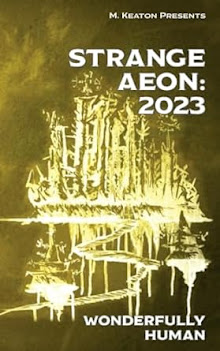



 Posts
Posts

